DIY Funeral Spray Checklist: Respectful Sizes and Rules
Posted on 14/05/2026
Planning a funeral spray yourself can feel like one job too many at an already heavy time. You want it to look dignified, fit the setting, and say exactly what words sometimes cannot. That is where a clear DIY Funeral Spray Checklist: Respectful Sizes and Rules helps. It gives you a calm way to choose the right size, shape, flowers, and wording without second-guessing every decision.
Truth be told, most people are not looking for perfection. They are looking for something thoughtful, balanced, and appropriate. A funeral spray should feel respectful in the room, on the casket, and in photographs people will keep. In this guide, you will find practical sizing advice, etiquette notes, UK-friendly best practice, common mistakes to avoid, and a simple checklist you can actually use.
Why DIY Funeral Spray Checklist: Respectful Sizes and Rules Matters
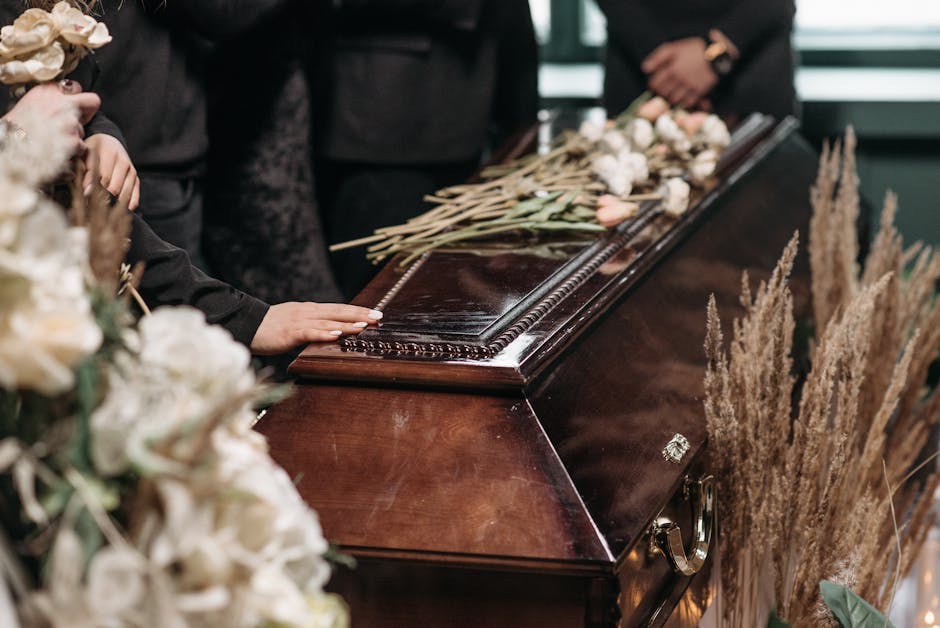
A funeral spray is one of the most visible floral tributes at a service. It sits close to the coffin, so its shape, scale, and finish carry a lot of weight. If it is too large, it can overwhelm the casket or look awkward in the chapel. Too small, and it may feel underdone in a setting that calls for care and presence. The right balance matters.
There is also the emotional side. When you are making a tribute yourself, every stem seems to mean something. A practical checklist keeps the job grounded. It helps you decide what is appropriate rather than just what looks pretty in the kitchen table test. And yes, that test is real. Many DIY arrangements look lovely in the house, then suddenly feel too broad or too tall once they are placed on a coffin stand.
Respectful sizing is not about following one rigid rule. Funeral flowers vary by venue, faith, coffin type, and family preference. But there are accepted norms. Casket sprays are typically kept proportionate to the coffin, with the most prominent designs reserved for immediate family. Smaller sprays and sheaves work better when several tributes will be displayed together. In practice, the goal is always the same: elegant, calm, and considerate.
If you are also comparing tribute styles, it can help to look at established funeral ranges such as funeral sprays, wreaths, and tributes for shape ideas and wording cues. That does not mean copying, just learning the visual language of the occasion.
How DIY Funeral Spray Checklist: Respectful Sizes and Rules Works
Think of the process in three layers: the setting, the structure, and the sentiment. First, the setting tells you how formal or compact the arrangement needs to be. A crematorium chapel, a church service, and a graveside farewell may all call for slightly different proportions. Second, the structure means the actual mechanics: the base, foam, flowers, greenery, and water supply. Third, the sentiment decides the colour palette, flower choice, and any ribbon message.
A funeral spray is usually a low, elongated arrangement designed to rest on top of or near the coffin. In the UK, it is common for immediate family to choose a fuller casket spray, while friends may choose a smaller spray, posy, basket, or wreath. That is not a legal rule, just a widely understood convention. It keeps the overall tribute display balanced.
The "rules" part of this topic is mostly about etiquette and practical fit. For example, if the service already includes several floral pieces, a highly elaborate spray may look out of place. If the family requested simple flowers only, a restrained design will feel more in keeping. Some faith traditions also favour particular colours or avoid certain forms, so checking before you start is a wise move. A five-minute conversation can save a great deal of awkwardness later.
Also, do not underestimate delivery timing. Fresh flowers and a funeral timetable are not forgiving companions. If you are ordering or arranging anything close to the day, make sure the flowers will arrive when needed and be handled carefully. Sites with clear delivery information and guarantees are worth checking before you commit.
Key Benefits and Practical Advantages
The biggest benefit of a DIY approach is control. You can match the flowers to the person being remembered, keep within budget, and make sure the tribute feels personal rather than generic. That matters when the day already feels emotionally crowded.
There is also flexibility. You can choose colours that reflect a favourite flower, a club colour, a faith symbol, or simply something soft and calm. White and green remains a classic funeral palette, but pale pinks, lilacs, creams, and gentle mixed tones can work beautifully too. It depends on the tone of the service and the family's wishes.
A few practical advantages stand out:
- Better personal meaning: you can build the spray around the person's favourite flowers or colours.
- Cost control: you decide whether to keep it simple or create a fuller tribute.
- Size control: you can match the spray to the coffin, venue, and other tributes.
- Timing control: you can plan around the service schedule and delivery window.
- Emotional involvement: some people find the making process comforting, almost grounding.
To be fair, the real advantage is not just savings. It is the sense that the tribute came from the right hands, at the right time, for the right reasons.
Who This Is For and When It Makes Sense
This checklist is useful for immediate family members, close friends, clergy helpers, funeral organisers, and anyone asked to prepare a tribute without much floral experience. It is also helpful if you are trying to understand what size is appropriate before speaking to a florist. People often worry they will choose "too much" or "too little." That is a normal concern, and a sensible one.
A DIY funeral spray makes particular sense when:
- the family wants a personal tribute rather than a standard florist design
- you need to work within a set budget
- you already have access to fresh flowers or a local florist supply
- the tribute needs to match a specific faith or cultural preference
- you want a softer, more intimate arrangement than a large coffin spray
It may be less suitable if the service is very formal, if transport is difficult, or if you are under severe time pressure. In those cases, a ready-made arrangement or florist-led service can be the calmer option. There is no shame in that. Sometimes the best decision is the one that keeps things steady.
If you are not sure whether to do it yourself or order, browsing sympathy categories such as sympathy flowers and funeral flowers can help you compare the look and scale of professionally made pieces before making your own plan.
Step-by-Step Guidance
Here is the simplest way to plan a respectful DIY funeral spray without getting lost in the details. Keep it calm. Keep it measured. And, if possible, keep a towel nearby. Flowers are lovely; water drips are less lovely.
- Confirm the service setting. Ask whether the tribute is for a coffin, a chapel display, a graveside farewell, or a memorial table. The setting changes the size and shape you should aim for.
- Check family preferences. Find out whether the family has asked for certain colours, flowers, faith symbols, or a simple style.
- Decide the role of the spray. Is it the main family tribute, or one of several arrangements? A main casket spray can be fuller; a secondary spray should usually be smaller and quieter.
- Choose a respectful size. For a full coffin spray, aim for a low, elongated shape that follows the coffin line. For a smaller arrangement, keep it neat and compact so it does not distract from other tributes.
- Select flowers with meaning and durability. Roses, lilies, carnations, chrysanthemums, alstroemeria, and germini are all commonly used in sympathy work. Some hold well, some are more delicate, and that matters if travel or heat is involved.
- Build a stable base. Use oasis/foam, a waterproof tray, or a florist-ready base designed for funeral work. Stability is more important than flair.
- Shape from the centre outward. Start with greenery and key focal flowers, then fill the edges. Keep the height low at the front if the spray will rest against the coffin lid.
- Keep the colour palette intentional. Two or three tones usually looks more composed than a crowded mix, unless the family specifically wants something bright and celebratory.
- Add a ribbon message if needed. Short, clear wording is best. "Beloved Mum" or "Forever in Our Hearts" works better than long, cramped text.
- Transport and place it carefully. Keep the arrangement cool, upright, and supported. A slightly tilted spray can still be saved, but it is never ideal on the morning of a funeral.
If you want a floral reference point while planning, products in the sympathy and white flowers collections can be helpful for comparing tone and scale. You are not copying a design; you are reading the room, so to speak.
Expert Tips for Better Results
Most funeral spray problems are not dramatic disasters. They are little things: a design that is too tall, a colour that feels too cheerful, a ribbon that is hard to read. A few experienced habits make a big difference.
Start smaller than you think. Many DIY makers overbuild in the first hour because the arrangement looks sparse on the worktable. Once it is viewed from a distance, it often reads as fuller than expected. Funeral flowers should breathe a little.
Use texture, not just volume. A mix of rose petals, fuller blooms, and lighter filler flowers creates depth without bulk. For example, white roses with a little alstroemeria and foliage can look more refined than a dense block of one flower type.
Choose flowers that travel well. If you need to drive across London or across town, sturdy stems are your friend. Delicate petals in the back of a car on a warm day can be a headache. We have all seen that sort of thing happen, and it is never fun.
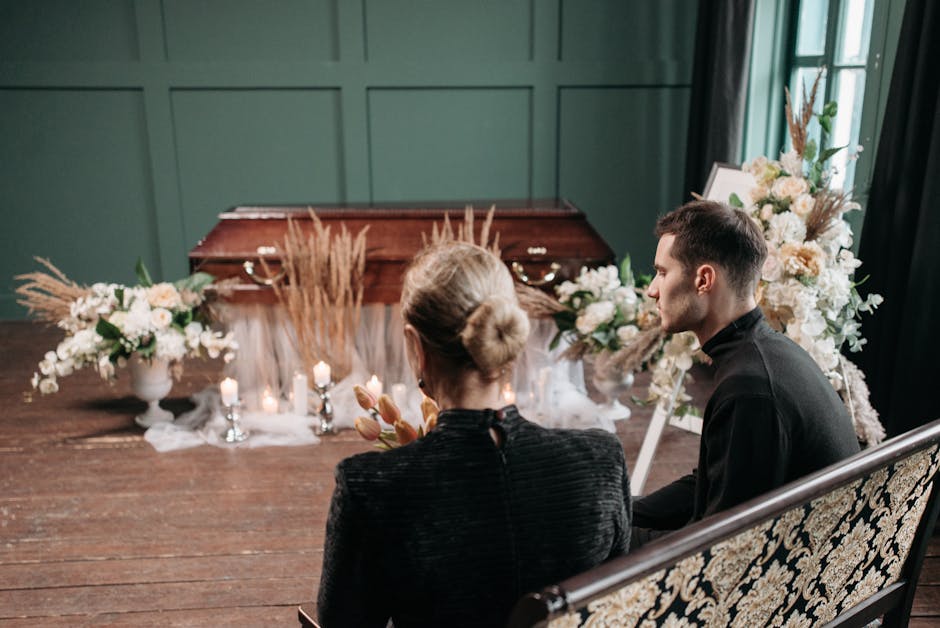
Leave space for the coffin shape. The spray should complement the casket, not hide it. Low and long is usually the safer approach. The eye should move naturally from tribute to coffin to the rest of the room.
Keep wording short. Funeral ribbon messages should be easy to read at a glance. Short names, affection words, and one clear sentiment work best.
Do a desk check before delivery. Step back. Take a photo. If the design looks lopsided on camera, it probably needs adjusting. Cameras are annoyingly honest.
Common Mistakes to Avoid
Some mistakes are purely practical. Others are more about tone. Both matter.
- Making the spray too tall: Height can make the arrangement look top-heavy and less restful.
- Using too many colours: Unless the family wants a bright celebration of life, keep the palette restrained.
- Ignoring the coffin size: A spray should suit the casket, not compete with it.
- Forgetting transport conditions: Hot cars, sharp turns, and poor support can damage the shape quickly.
- Choosing flowers that wilt fast: Some blooms are simply less suitable for a delayed service or long journey.
- Overcrowding the ribbon: Too much text becomes hard to read and visually messy.
- Not checking cultural or religious preferences: This is the big one. If in doubt, ask.
One small but common issue: people often place the focal blooms too close to one end, which makes the spray feel unbalanced. The fix is simple-shift the strongest flowers slightly inward and let the greenery taper naturally. Small change, much better result.
Tools, Resources and Recommendations
You do not need a professional studio to make a respectful funeral spray, but you do need the right basics. If you are working at home, keep it simple and tidy.
- Floral foam or a secure base: use a base that supports the stems firmly.
- Sharp floral scissors or secateurs: clean cuts help flowers drink water better.
- Waterproof wrap or tray: useful for transport and placement.
- Ribbon and pins: choose understated colours and readable lettering.
- Bucket of clean water: keep stems hydrated while you work.
- Greenery: foliage helps define shape and soften the overall look.
- Cool storage space: a spare room or shaded area is better than a sunny windowsill.
For care after making the tribute, the same basic principles used in general flower handling apply: cool temperatures, fresh cuts if needed, and gentle misting if appropriate. A simple guide like flower care advice can be useful even for sympathy arrangements, because freshness is still part of the final impression.
If you are ordering supporting items, check practical service pages too. A clear payment page, transparent terms and conditions, and visible contact details all help when the timing is tight and you simply need answers quickly.
Law, Compliance, Standards, and Best Practice
This topic is less about strict legal thresholds and more about best practice, etiquette, and venue expectations. In the UK, funeral flowers are usually arranged according to the wishes of the family, the funeral director, the venue, and any faith or cultural guidance. There is no universal legal rule that says a spray must be a certain size. But there are sensible conventions that most people follow.
Best practice usually means:
- checking whether the deceased's family has requested specific colours or flowers
- keeping the arrangement proportionate to the coffin and venue
- avoiding overly scented flowers if the service space is small or sensitive
- respecting faith-specific preferences where they are known
- making sure any lettering is accurate and appropriate
If you are buying flowers from a florist rather than making the tribute from scratch, it is sensible to review the company's guarantees, returns and refund policy, and sustainability approach. These pages are not just admin. They tell you how the business handles quality, delivery issues, and responsible sourcing, which matters when the flowers carry emotional weight.
For families in a rush, same-day or next-day options can sometimes reduce pressure. That said, it is always better to confirm cut-off times and delivery windows rather than assuming. Funeral timing does not forgive guesswork.
Options, Methods, and Comparison Table
People often ask whether they should choose a funeral spray, a wreath, a posy, or a basket arrangement. The right answer depends on who the tribute is for, where it will sit, and how formal the service is. Here is a straightforward comparison.
| Tribute type | Best for | Typical visual style | Practical note |
|---|---|---|---|
| Funeral spray | Immediate family or central tribute | Low, elongated, coffin-friendly | Usually the most prominent floral piece |
| Wreath | Friends, colleagues, or formal remembrance | Round, balanced, symbolic | Good when you want something traditional but not coffin-specific |
| Posy | Smaller tribute or shared group offering | Compact and neat | Easy to handle and often more affordable |
| Basket or sheaf | Casual, gentle, or transport-friendly tribute | Looser and easier to place | Handy if the tribute must move from service to home or graveside |
If you are unsure, a spray is usually the safest middle ground for a formal service. It looks considered without being overly complex. A basket or posy can be better if the family has asked for something softer or smaller.
Case Study or Real-World Example
Here is a simple example from a very common kind of request. A family wanted a white-and-green spray for a chapel service, with roses, lilies, and a little foliage. They had three other tributes arriving from close relatives, so the goal was not to dominate the coffin. Just to sit neatly alongside the others.
At first, the spray was planned too broad. It looked beautiful on the table, but once measured against the coffin width it was obvious that it would crowd the display. The final adjustment was modest: fewer stems at the outer edges, slightly lower height, and a tighter focal cluster in the middle. The result was calmer, cleaner, and more dignified.
The family later said what mattered most was not the number of flowers, but that the arrangement felt right beside the coffin when everyone walked in. That is the part people remember. Not the botany. The feeling.
A similar approach works for personalised sprays, whether you are leaning toward classic white, soft pastels, or a mixed tribute with meaning behind every flower. If you need inspiration, browsing lilies, carnations, or roses can help you build a coherent theme before you start cutting stems.
Practical Checklist
Use this as your final pre-service check. It is deliberately simple. No fuss.
- Have you confirmed the service time and place?
- Do you know whether the spray is for the coffin, a memorial display, or a graveside tribute?
- Have you checked the family's colour and flower preferences?
- Is the arrangement size proportionate to the coffin and other tributes?
- Have you chosen flowers that will stay fresh long enough?
- Is the design low enough to sit respectfully on or near the coffin?
- Is the ribbon message short, clear, and correctly spelled?
- Will the arrangement travel safely in the car or van?
- Have you checked the florist's delivery details if you are ordering part-made or finished flowers?
- Do you have a backup plan in case a bloom opens too fast or a stem breaks?
Expert summary: the best DIY funeral spray is not the largest, busiest, or most expensive. It is the one that fits the setting, respects the family's wishes, and holds its shape with quiet dignity.
Conclusion
Making a funeral spray yourself is a tender job, and it deserves a steady hand. If you keep the size respectful, the colours intentional, and the structure secure, the result will feel right in the room. That is really the whole point.
The strongest tributes are usually the simplest ones: honest flowers, good proportion, and a clear sense of care. If you are still deciding between styles, a wreath, a smaller sympathy piece, or a full spray, compare the shapes and keep the service setting in mind. Everything else follows from there.
Get a free quote today and see how much you can save.
And if all you manage is one thoughtful choice at a time, that is enough. In moments like these, enough can be beautiful.
Frequently Asked Questions
What size should a DIY funeral spray be?
It should be proportionate to the coffin and the overall tribute display. A full casket spray is usually longer and more prominent for immediate family, while smaller sprays are better for friends or secondary tributes.
Can I make a funeral spray at home without florist experience?
Yes, if you keep the design simple and use a stable base. Focus on a low shape, a restrained colour palette, and flowers that are easy to handle. A neat arrangement is better than an overcomplicated one.
Which flowers are most suitable for funeral sprays in the UK?
Common choices include roses, lilies, carnations, chrysanthemums, alstroemeria, and germini. The best option depends on the family's wishes, the service style, and how well the flowers will travel.
Is there a rule that only family can send a coffin spray?
There is no strict legal rule, but by tradition the largest casket spray is usually chosen by immediate family. Friends and colleagues often send smaller sprays, wreaths, posies, or baskets instead.
Should a funeral spray be white?
Not necessarily. White is a classic and widely respected choice, but pale pinks, purples, creams, and mixed-colour tributes can be equally appropriate if they suit the person being remembered.
How far in advance should I make or order a funeral spray?
Ideally as early as possible. If you are making it yourself, try to finish it as close to the service as practical while still allowing time for transport. If ordering, check the florist's cut-off times and delivery window.
What is the difference between a funeral spray and a wreath?
A spray is generally long and low, designed to sit on or near a coffin. A wreath is circular and often used as a more general sympathy tribute. Both are respectful, but they serve slightly different visual purposes.
Can I include a ribbon message on a DIY funeral spray?
Yes, and many people do. Keep it short and easy to read. A name, a relationship, or a simple phrase is usually best. Long messages can look crowded and be difficult to read from a distance.
How do I make sure the spray stays fresh on the day?
Use fresh stems, keep the arrangement cool, and transport it carefully. If possible, avoid direct sun and store it in a shaded, stable place before the service. Good flower care makes a real difference.
What if the family has specific faith or cultural preferences?
Ask before you arrange anything. Some traditions prefer certain colours, symbols, or levels of floral display. A quick check avoids accidental offence and shows genuine respect.
Is a DIY funeral spray cheaper than ordering one?
Usually yes, though the final cost depends on the flowers you choose, the size of the arrangement, and any supporting materials you need. DIY can be more economical, but only if you are realistic about time and materials.
Can I order sympathy flowers online and still customise them?
Often, yes. Many florists offer florist-choice or sympathy ranges that can be tailored by colour or style. It is worth reviewing the product details and checking the company's guarantees, delivery, and contact information before you order.