Floral Care Checklist for Event Planners
Posted on 07/05/2026
Floral Care Checklist for Event Planners: A Practical Guide to Fresh, Reliable Event Flowers
Event flowers can make a room feel polished in seconds. They also arrive with a bit of drama, to be fair: temperature swings, tight delivery windows, crowded venues, awkward vase heights, and the occasional "we've moved the ceremony entrance" message at 8:15 in the morning. A solid Floral Care Checklist for Event Planners keeps all of that under control.
This guide is built for planners who want blooms to look good from the first table setup to the final guest photo. You'll find a clear care process, a proper checklist, realistic mistakes to avoid, and practical ways to work with florists and venue teams. If you manage weddings, corporate events, launches, private dinners or memorial gatherings, this is the kind of planning detail that saves time and stress. And yes, it really does matter.

Table of Contents
- Why Floral Care Checklist for Event Planners Matters
- How Floral Care Checklist for Event Planners Works
- Key Benefits and Practical Advantages
- Who This Is For and When It Makes Sense
- Step-by-Step Guidance
- Expert Tips for Better Results
- Common Mistakes to Avoid
- Tools, Resources and Recommendations
- Law, Compliance, Standards, or Best Practice
- Options, Methods, or Comparison Table
- Case Study or Real-World Example
- Practical Checklist
- Conclusion
- Frequently Asked Questions
Why Floral Care Checklist for Event Planners Matters
Flowers are not just decorative add-ons. They shape the atmosphere, support the event theme, and often sit at the centre of the guest experience. But fresh arrangements are also perishable. They respond quickly to heat, drafts, sunlight, dehydration and handling. If the care process is vague, even beautiful flowers can look tired long before the final toast.
That's why a floral care checklist is so useful. It gives event planners a repeatable method for protecting the arrangement quality they've paid for and promised to clients. It also helps coordinate the people involved: florist, venue, logistics team, stylists, caterers, and sometimes security or front-of-house staff. One missing instruction can mean a bouquet placed near a radiator or a table piece moved into direct sun. Small things. Big difference.
In our experience, the strongest events are not always the ones with the biggest budgets. They're the ones where the flowers are handled with intention. A planner who knows when to hydrate stems, when to refrigerate, and when to stop rearranging everything five minutes before guests arrive will usually get a better result than someone relying on luck.
If you work across multiple suppliers, it also helps to understand what your flower partner can offer. For example, if your event needs wedding-style arrangements or reception centrepieces, you may want to review flower care guidance, check delivery details, and confirm the supplier's service guarantees before you lock in the timeline. That is the sort of admin that pays off later.
How Floral Care Checklist for Event Planners Works
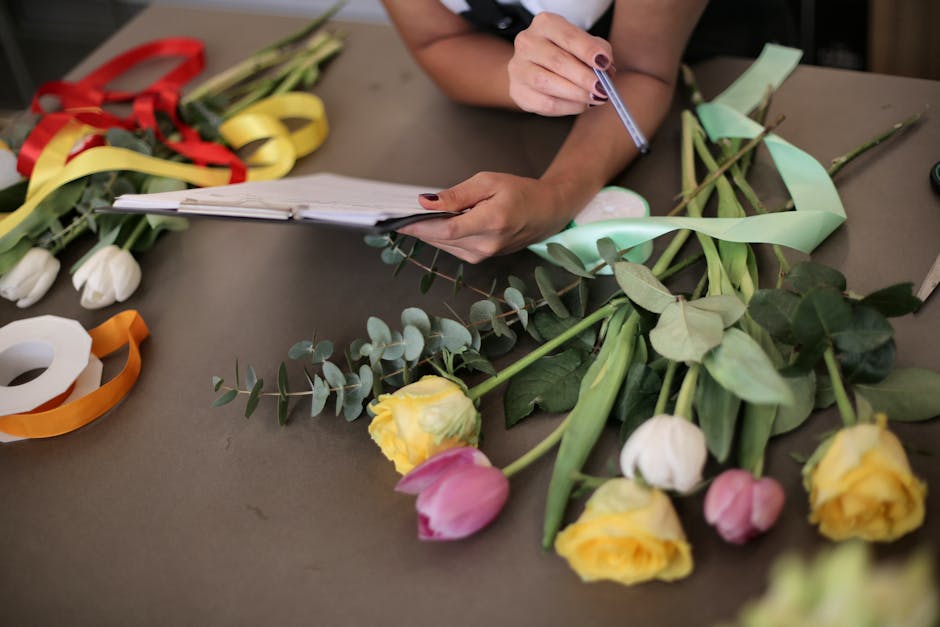
A floral care checklist is basically a step-by-step handling plan for keeping flowers fresh, stable and event-ready. It starts before the blooms leave the florist and continues until the last arrangement is taken down or donated.
The process usually follows five phases:
- Pre-event planning - define flower types, delivery timing, display locations, and who is responsible for each stage.
- Arrival and inspection - check stems, water levels, packaging, damage, and whether the order matches the brief.
- Storage and staging - place arrangements in suitable conditions, away from heat, cold drafts and direct sunlight.
- Display management - monitor flowers during the event, especially if the room is warm or the schedule runs long.
- Post-event handling - pack down, redistribute, compost or transport the flowers according to the client's plan.
That sounds straightforward, and mostly it is. The real skill is in the detail. For example, a hand-tied bouquet might need a different setup from a foam-based table arrangement. A sympathy spray behaves differently from a tall vase arrangement. Seasonal flowers also vary. Peonies, roses, lilies and hydrangeas all have their own little preferences. Honestly, flowers can be fussy. Beautiful, but fussy.
It helps to build event-specific instructions rather than one generic process. A winter hotel dinner, an outdoor summer ceremony and a memorial service all need slightly different care. If you're planning something delicate and formal, such as a condolence arrangement, you might also want to review support options from a specialist provider like sympathy flower care advice and their delivery information so the handling plan reflects the arrangement's purpose.
Key Benefits and Practical Advantages
The biggest benefit is simple: better-looking flowers for longer. But there's more to it than that.
- Less waste - the better the care, the fewer blooms you lose early.
- More consistent visuals - arrangements stay photo-ready across the whole event window.
- Lower stress on event day - staff know exactly what to do and who does it.
- Fewer supplier misunderstandings - expectations are clearer, so there's less back-and-forth.
- Better client experience - the event feels more considered and professionally managed.
- Improved budget control - fewer emergency replacements and fewer last-minute fixes.
There's also a brand benefit, especially for corporate planners. Flowers that look crisp at guest arrival but limp by the main session can quietly undermine the whole atmosphere. That sounds dramatic, but anyone who's stood in a conference suite watching a centrepiece droop in real time knows the feeling.
If you are running recurring events or office installations, it may be worth exploring a supplier's corporate support too. A page like corporate accounts can be useful when you need repeat orders, invoicing clarity or regular seasonal placements. And if your event season is busy, having a reliable ordering path matters just as much as the flowers themselves.
Who This Is For and When It Makes Sense
This checklist is for anyone responsible for flowers at an event, but it is especially useful for:
- wedding planners and venue stylists
- corporate event managers
- hotel and hospitality teams
- private party organisers
- memorial and sympathy event coordinators
- assistant planners handling supplier liaison
- venue teams who receive and set up floral deliveries
It makes sense whenever the flowers need to last longer than a quick handover. If the event includes multiple rooms, staggered arrival times, or a warm indoor environment, a floral care checklist becomes essential. Same if the arrangements are premium, personalised or symbolic.
For example, a wedding planner might need bridal bouquets, buttonholes and table arrangements to all stay fresh across a full-day schedule. A corporate organiser might need reception flowers to survive from early registration through to an evening networking session. A funeral director or memorial coordinator may need arrangements to remain dignified and stable in a quieter, more sensitive setting. Different events, same underlying issue: the flowers have to hold up.
If you're sourcing occasion-specific flowers, it can also help to work from the right product family. For weddings, browse wedding flowers, bridal bouquets, bridesmaid bouquets and table arrangements. For sensitive occasions, relevant sympathy ranges such as sympathy flowers can be a better fit. Choosing the right starting point is half the battle.
Step-by-Step Guidance
Here's the practical version of the floral care process. This is the part you can actually use the day before, on the morning of, and during the event itself.
1. Confirm the brief early
Check the event date, venue access time, display zones, floral theme, colour palette and budget. Confirm which arrangements are centrepieces, which are hand-held, and which need to be moved after the ceremony or presentation. Don't assume the florist knows the final layout if the floor plan is still changing.
2. Match the flowers to the conditions
Not every flower behaves the same in heat or humidity. Roses, lilies, hydrangeas, carnations, alstroemeria and chrysanthemums all have different tolerance levels. If the event is outdoors or under strong lighting, choose varieties that tend to be more resilient and plan extra hydration.
A good rule of thumb: if the room is likely to be warm, simplify the design slightly and prioritise sturdier stems. If you want a softer, more delicate look, build in a tighter care plan and keep backup blooms on hand.
3. Plan the delivery window with a buffer
Flowers should arrive close enough to the event to stay fresh, but early enough to be checked and staged properly. A buffer matters because traffic, loading restrictions and venue access issues can happen. If the florist offers timed delivery, use it. If they don't, build your own margin into the schedule.
It's a small thing, but it saves panic. And panic is never great for petals.
4. Inspect every arrangement on arrival
Use a quick receiving checklist:
- correct order and count
- fresh-looking petals and foliage
- no broken stems or crushed heads
- water levels where relevant
- secure packaging and stable containers
- accurate labels for placement
If something looks off, flag it immediately. The sooner you raise an issue, the easier it is to sort out. Many flower teams will want a photo if there's a problem, so keep your phone ready. Not glamorous, but useful.
5. Store flowers in the right conditions
Keep arrangements cool, shaded and away from radiators, catering heat, direct sun and strong air conditioning. Avoid placing them near fresh fruit as well; ripening produce can shorten flower life. That old venue trick of tucking flowers "just over here" beside the kitchen door? Usually a bad idea.
If you have a fridge or cool room available, confirm it is suitable before using it. Some flowers and some arrangements do better in a controlled cool space, but not every venue fridge is ideal.
6. Stage them in order of priority
Set up the most visible pieces first: ceremony flowers, entrance displays, head table arrangements and camera-facing centrepieces. Then place secondary items like side table arrangements, bar accents or washroom flowers. If the event schedule is tight, the most important visual points should never be left until the end.
7. Rehydrate and refresh where possible
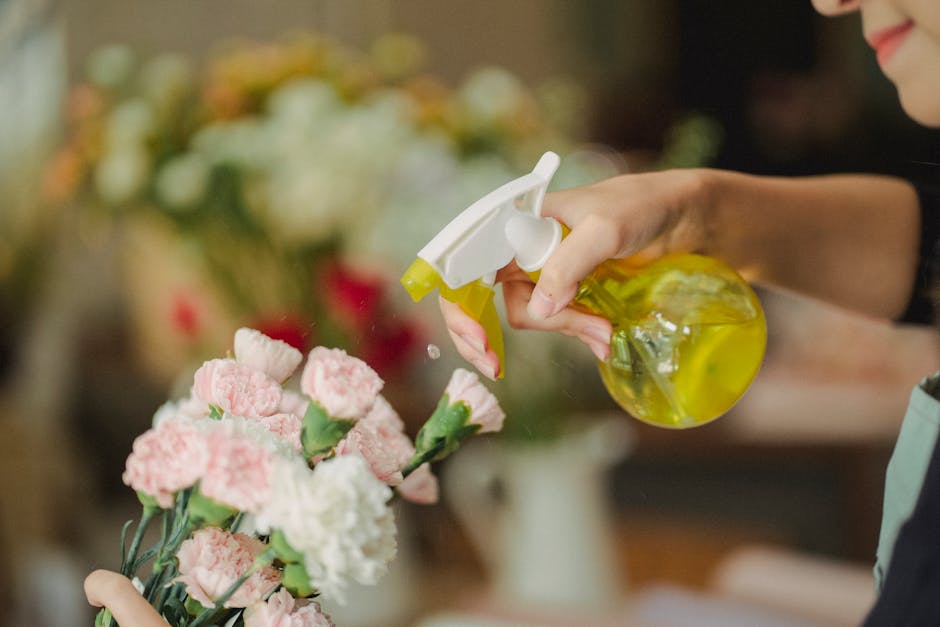
Some arrangements can be lightly refreshed by trimming stems, topping up water or misting foliage. Others should be left alone unless the florist has given specific instructions. Be careful here. "A quick tidy" can accidentally become "we ruined the design". Ask me how I know... or don't.
8. Monitor during the event
Assign someone to do a quiet visual check every few hours. Look for drooping heads, spilled water, knocked containers or arrangements moved out of position. For longer events, check the flowers again before speeches, meal service or key photography moments.
9. Pack down properly
At the end, decide whether flowers will be gifted, reused, donated or composted. If they're being taken to another location, pack them securely with fresh water protection. If they're being left in venue care, make sure the handover is documented.
Expert Tips for Better Results
Small decisions make a surprising difference. Here are the habits that tend to separate smooth flower management from rushed, slightly chaotic flower management.
- Use one named point of contact for the florist and venue. Too many messages, too many mistakes.
- Keep a floor plan with flower marks. Even a simple annotated diagram helps more than a long email.
- Choose a mix of focal and filler flowers so the design still works if one stem variety is delayed.
- Always ask about stem handling. Some designs are fine to move; others really are not.
- Protect petals during transport using clean boxes, straps and stable upright positioning.
- Coordinate with lighting. Warm uplighters can fade some colours fast, especially pale blooms.
- Watch the drink stations. Water splashes, condensation and flowers do not always get along.
One overlooked tip: ask the florist which arrangements should be opened or exposed last. Some blooms look best once they have had a little time to settle, especially if they've travelled. That can make the difference between "fine" and "lovely" in the final room reveal.
If you want to make your floral programme easier to manage, consider the tone and scale of the event too. A boutique dinner might suit elegant pieces from a luxury collection, while a large conference could benefit from simpler, repeatable arrangements. For broader gifting-style event needs, ranges such as luxury flowers, all flowers and florist choice can help you balance control with convenience.
Common Mistakes to Avoid
Most floral problems are avoidable. The trick is knowing where event teams typically slip.
- Leaving delivery too late and rushing the setup.
- Placing flowers in heat from kitchens, sunlight or lighting rigs.
- Ignoring flower variety differences and using one care method for everything.
- Forgetting vase water checks during long events.
- Moving arrangements repeatedly once they've been styled.
- Not planning for waste removal or post-event redistribution.
- Assuming the venue will handle care without clear written instructions.
The most common issue, honestly, is overconfidence. A planner sees the flowers arrive looking perfect and assumes they'll stay that way on their own. They won't. Fresh flowers are living things, and they need a bit of stewardship, not a shrug.
Another frequent slip is selecting blooms that are beautiful in photos but awkward for the room conditions. That's why it's worth balancing aesthetics with practicality. There's no prize for choosing the most delicate flower if it collapses before lunch.
Tools, Resources and Recommendations
You do not need a huge toolkit, but you do need the right basics.
| Tool or Resource | Why It Helps | Best Use |
|---|---|---|
| Annotated floor plan | Shows exact flower placement | Venues with multiple rooms or zones |
| Delivery window checklist | Prevents missed timings | All events, especially same-day setups |
| Clean buckets and water | Supports stem hydration before staging | Large deliveries and bouquet care |
| Floral snips or scissors | Useful for quick stem refreshes | On-site adjustments where permitted |
| Label cards | Reduces placement confusion | Multiple table numbers or separate areas |
| Phone photos on arrival | Creates a record of condition and placement | Any order where quality needs documenting |
For supplier communication and aftercare, a few pages are worth keeping handy: contact details for quick queries, returns and refund information if an issue needs escalation, and flower delivery guidance so the logistics team knows what to expect.
If sustainability is part of the client brief, you can also ask about responsible sourcing and disposal. Many planners now want arrangements that feel considered from start to finish, not just visually strong. In that case, a supplier's sustainability page and about us section can be useful for due diligence.
Law, Compliance, Standards, or Best Practice
Most floral care for events is about operational best practice rather than heavy regulation. Still, if you're working in the UK, there are a few sensible standards to keep in mind.
First, if you are using venues, loading bays or shared public areas, follow the venue's access, fire safety and setup rules. That includes not blocking exits, not leaving water where it could create slip hazards, and not overstretching trolley loads through public walkways. It sounds obvious, yet it gets missed.
Second, if staff are handling deliveries, lifting containers or moving heavy floral displays, basic manual handling safety matters. Use team lifts for awkward items, keep routes clear and don't improvise with unstable steps or loose cables nearby.
Third, accessibility should stay in mind. Large arrangements should not obstruct key sightlines, wheelchair routes, signage or hearing loop areas. If the event has formal guest seating, it's worth checking that florals do not make movement awkward. Good design should never get in the way of comfort.
For some clients, documentation matters too. Corporate organisers may ask for payment terms, order records, and supplier policies before approving recurring floral work. In that situation, pages like terms and conditions, payment information and privacy policy help build confidence. It is not the most glamorous part of planning, but it keeps the relationship clean and professional.
If you're working on sensitive events such as memorials or funeral services, best practice also includes respectful presentation, discreet setup timing, and arrangements chosen with the family's tone in mind. In those situations, specialist pages like service guarantees and delivery guidance can support a calmer, more dependable process.
Options, Methods, or Comparison Table
There is more than one way to manage event flowers. The right approach depends on budget, event length, venue conditions and how much hands-on care you want on the day.
| Method | Best For | Pros | Watch Out For |
|---|---|---|---|
| Full florist-managed setup | Weddings, premium launches, formal gatherings | Highest finish, least planner workload | Requires more coordination and budget |
| Planner-managed staging | Smaller events and simple table pieces | Flexible and cost-conscious | Needs a very clear checklist and enough time |
| Hybrid setup | Most corporate and private events | Balanced control and efficiency | Roles must be defined before delivery |
| Same-day placement | Short receptions or fast turnarounds | Convenient and efficient | Little room for error if delivery is delayed |
For most planners, the hybrid setup is the sweet spot. The florist handles the flowers; the venue team or event lead handles final positioning and care. That keeps the design quality high without making the whole day dependent on one person remembering every last detail.
Case Study or Real-World Example
Here's a realistic example. A London-based corporate planner was organising a spring awards dinner for around 120 guests. The brief was elegant but restrained: reception arrangements, table centrepieces, a statement display near the entrance and a few small pieces in the presentation area. The room was beautiful, but warm. Very warm.
Instead of treating the flowers as a final-hour decoration, the planner built a care schedule with three checkpoints: delivery, pre-dinner refresh and post-speech monitoring. The venue was asked to confirm the exact unloading point in advance. Each table piece was labelled by number. The entrance display was set away from the main radiator line, even though that meant adjusting the original floor plan slightly. Slightly annoying. Worth it.
On arrival, the team checked water levels, petal condition and packaging. A few stems were gently reshaped, but nothing was overhandled. During the dinner, the room temperature rose faster than expected, so the planner asked for a discreet top-up of the most exposed table arrangements before dessert service. The flowers stayed tidy through the last photo call, and the client later commented that the room still looked fresh at the end of the evening.
The lesson was simple: the flowers did not succeed because they were expensive. They succeeded because the care plan was specific, calm and timed properly. That's the bit many people miss.
Practical Checklist
Use this as a working checklist for your next event. Print it, copy it into your notes, or turn it into an internal template. Whatever gets used, really.
- Confirm event date, venue, access times and installation windows.
- Check flower varieties, colour palette and arrangement sizes.
- Identify heat sources, sunlight exposure and air conditioning points.
- Set the delivery window with a realistic buffer.
- Confirm who receives and signs off the flowers.
- Prepare a staging area with water, clean surfaces and labels.
- Inspect every arrangement on arrival for freshness and damage.
- Photograph the condition of key pieces before setup.
- Place priority arrangements first: entrance, ceremony, head table or focal zone.
- Keep arrangements away from radiators, kitchens and direct glare.
- Monitor water levels and visible condition during the event.
- Keep replacement blooms or a florist contact available for emergencies.
- Decide in advance what happens to the flowers after the event.
- Document any issues for follow-up or supplier feedback.
Expert summary: The best floral care plans are calm, specific and boring in the best possible way. They remove surprises so the flowers can do their job: make the event look thoughtful, polished and memorable.
For more sensitive or formal occasions, it can help to compare event flowers with specialist ranges such as sympathy flowers or browse occasion-based styles in the shop categories like any occasion flowers and baskets and posies. Different event moods need different handling, and the checklist should flex with that.
Conclusion
A good floral care checklist does more than keep flowers alive. It protects the feel of the whole event. It helps planners stay organised, supports florists, reduces waste and keeps arrangements looking as intended when it matters most. That might be the ceremony aisle, the awards podium, the dinner tables or the quiet corner where guests pause for a moment.
Truth be told, the best floral work often goes unnoticed because it feels effortless. That is usually a sign the planning was done properly. If you take time to choose the right flowers, define the handling steps, and keep the delivery and display process tight, you'll give the event a calmer, more elegant finish.
Get a free quote today and see how much you can save.
And if nothing else, remember this: flowers are at their best when someone has taken the trouble to care for them properly. The event will feel it, even if nobody says so out loud.
Frequently Asked Questions
What is a floral care checklist for event planners?
It is a practical set of steps that helps event planners receive, store, stage and maintain flowers so they stay fresh and look their best throughout the event.
How far in advance should flowers be ordered for an event?
That depends on the size and complexity of the event, but it is usually wise to book early, especially for weddings, formal dinners or large corporate functions. The more custom the flowers, the earlier you should confirm them.
What flowers last longest at events?
Long-lasting options often include roses, carnations, chrysanthemums, germini and alstroemeria. The exact result still depends on temperature, hydration and handling, so care matters just as much as variety.
How do you keep flowers fresh during a long event day?
Keep them cool, away from direct sunlight and heat sources, and ensure arrangements with water are checked regularly. A mid-event visual check can make a noticeable difference.
Should flowers be delivered on the same day as the event?
Usually, yes, or very close to it. Fresh flowers are best delivered within a sensible window that allows inspection and setup, but not so early that they spend too long waiting around.
What is the biggest mistake event planners make with flowers?
The most common mistake is not planning for heat, timing and handling. Flowers are often treated as if they'll just "be fine," but they need a proper care system to stay looking good.
Do corporate events need a different floral care plan from weddings?
Yes, often they do. Corporate events may need more structured branding, more repeatable arrangements and clearer handover responsibilities, while weddings may need more emotional detail and flexible timing.
How should flowers be stored before the event starts?
Store them in a cool, shaded area away from drafts, fruit, radiators and direct light. If possible, confirm storage conditions with the florist before the delivery arrives.
Can event flowers be reused after the event?
Absolutely. Many arrangements can be redistributed, gifted, donated or repurposed if the designs and venue logistics allow it. It is a smart way to reduce waste.
What should planners ask the florist before delivery?
Ask about care instructions, delivery timing, setup requirements, flower lifespan, what to do if anything arrives damaged, and whether any blooms need special handling.
Are there special considerations for sympathy or memorial flowers?
Yes. Sympathy and memorial flowers need careful, respectful handling, and the schedule should reflect the tone of the occasion. Quiet delivery, discreet placement and clear instructions are especially important.
How do I choose between florist-managed and planner-managed setup?
If the event is large, formal or heavily styled, florist-managed setup is often easier. For simpler events, planner-managed or hybrid setup can work well if the checklist is clear and the team is briefed properly.