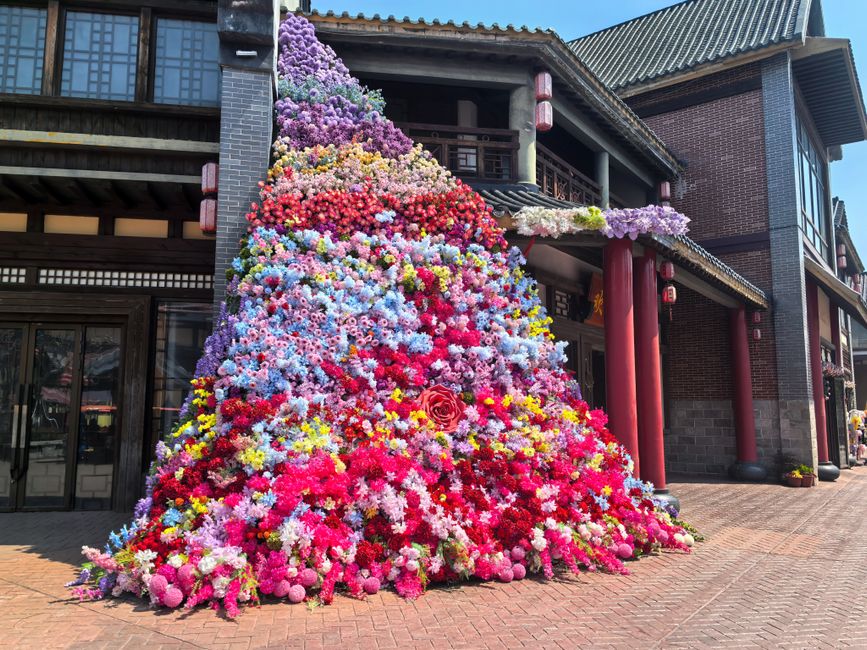
Logistics Playbook: Safely Delivering Large Floral Installations
Posted on 19/10/2026
Delivering a small bouquet is one thing. Moving a towering floral arch, a ceremony backdrop, or a reception centrepiece the size of a dining table is another beast entirely. The smell of fresh stems, the awkward corners, the lift access that is slightly too narrow, the clock ticking before guests arrive - this is where a solid logistics playbook earns its keep. Logistics Playbook: Safely Delivering Large Floral Installations is really about making sure beautiful work arrives intact, on time, and ready to impress instead of wobbling in a van or sagging in a doorway.
If you are planning a wedding feature, a corporate launch, a funeral tribute, or a branded display, the delivery plan matters just as much as the design. In practice, the best installations are not simply made well; they are moved well. This guide walks through the process step by step, with the kind of detail that helps you avoid the classic headaches - damaged blooms, missed access windows, cramped loading bays, and those slightly panicked moments where everyone starts saying, "it looked smaller in the workshop."
You will find practical advice on packaging, route planning, loading, timing, site checks, compliance, and on-the-day setup. There is also a checklist, a comparison table, and a real-world example so you can turn ideas into an actual working system.
Why Logistics Playbook: Safely Delivering Large Floral Installations Matters
Large floral installations are vulnerable in ways that smaller arrangements are not. A hand-tied bouquet can survive a surprising amount of gentle chaos. A six-foot floral arch cannot. It may be heavy, top-heavy, water-sensitive, delicate at stress points, and awkward to carry through doorways, lifts, narrow hallways, and event spaces with polished floors and too many cables.
That is why logistics is not just an operational detail. It is part of the creative promise. If the installation arrives bruised, tilted, or late, the whole experience suffers. Guests do not see the planning board, the stem count, or the hours spent building the base. They see the finished piece. And if it is leaning, sadly, that is the story.
There is also the matter of reputation. Whether you are a florist, an event planner, or a venue manager, consistency matters. Good delivery systems reduce risk, protect margins, and make it far easier to take on larger, higher-value projects. In our experience, once a team develops a repeatable delivery workflow, stress drops almost immediately. Not all the stress, of course. This is events. But enough to breathe a bit easier.
For customers, the payoff is simple: better reliability, better presentation, and fewer surprises on the day. For teams, the payoff is safer handling and fewer costly re-makes. For venues, it means smoother access and less disruption to guests, staff, or set-up crews.
Expert summary: large floral installations fail most often at the handover points - packing, loading, route timing, access, and final positioning. A good logistics playbook solves those five points before the van even leaves.
How Logistics Playbook: Safely Delivering Large Floral Installations Works
A reliable floral delivery playbook works like a chain. Each link depends on the one before it. If one step is weak, the whole job becomes harder. The process usually starts with the brief, then moves through design and build decisions, then into transport, site access, and installation.
For large pieces, the design itself should be logistics-aware from the start. That means thinking about whether the arrangement will fit through doors, whether it can be split into sections, how it will be secured during transit, and whether water sources or foam mechanics will stay stable for the duration of the journey. Truth be told, the best transport problem is the one you avoid during design.
In practical terms, the workflow usually looks like this:
- confirm the installation size, site constraints, and delivery window
- plan how the piece will be built for transport, not just for display
- protect flowers, containers, mechanics, and surfaces from vibration and movement
- load in a way that prevents crush damage and tipping
- arrive with enough time to unload, assemble, and correct small issues
- position the installation safely and discreetly
The clever bit is coordination. That means speaking with the venue, the client, the driver, and the installation team before delivery day. If there is a service lift that is only available at certain times, you need that information early. If the loading bay is shared with caterers and production teams, you need to know where the bottleneck is likely to happen. A little awkward planning now can save a lot of awkward sweating later.
Many of the best systems also use a site plan. Even a simple sketch with entrance points, route widths, lift dimensions, and the final display location can prevent a last-minute scramble. The more complex the installation, the more important this becomes. And yes, there are times when a second pair of eyes is worth its weight in roses.
Key Benefits and Practical Advantages
The biggest benefit is obvious: safer delivery. But there is more to it than that. A proper logistics playbook improves the whole service experience, from the first call to final sign-off.
- Less damage in transit: secure packing and correct vehicle loading reduce crushing, leaning, and stem stress.
- More reliable timing: route planning and access planning help avoid delays that cause pressure at the venue.
- Better presentation: installations arrive looking fresher and more polished, with fewer touch-ups needed.
- Lower waste: fewer broken stems and fewer failed pieces means better use of stock and materials.
- Safer working conditions: good handling systems reduce lifting risks and awkward manoeuvres.
- Stronger client trust: clients notice calm, competent execution. They may not say it out loud, but they do notice.
There is also a commercial upside. Large installations often command higher fees because they require more coordination, specialist equipment, and extra labour. A dependable logistics process makes it easier to price these jobs confidently and take on more of them without feeling like every order is a gamble.
Another practical advantage: smoother handovers. If your team knows exactly who unloads, who checks the flowers, who secures the base, and who signs off the final placement, there is less confusion on busy event days. Small thing, big difference.
Who This Is For and When It Makes Sense
This playbook is for anyone responsible for moving large, fragile floral work from one place to another without drama. That includes local florists, wedding teams, event producers, corporate gifting teams, hotel and venue contractors, and funeral floral specialists handling substantial tribute pieces or service arrangements.
It makes particular sense when the installation is:
- large enough to require two or more people to carry safely
- delicate enough to lose shape if it is bounced around in transit
- time-sensitive, such as for a ceremony, press event, opening, or memorial
- being delivered to a site with restricted access, parking pressure, or tight schedules
- made from mixed materials such as foam, water containers, metal frames, ribbons, signage, or candles
It is also useful when you are scaling up. If you are used to smaller bouquets and now taking on arches, stage pieces, urn surrounds, or ceiling-hanging features, the risk profile changes quickly. The skills are related, yes, but the logistics are a different game entirely.
Customers benefit too. If you are ordering a large floral installation for a special event, knowing how delivery works helps you ask better questions. Does the arrangement arrive in sections? Will it need onsite assembly? Can the venue accept delivery before guests arrive? Those questions sound simple, but they prevent a fair amount of last-minute hassle.
Step-by-Step Guidance
1. Start with the site, not the stems
Before you decide on flower varieties, confirm where the installation will live. Measure entrances, corridors, lifts, stairs, ceiling heights, and the final footprint. If the display is going in a marquee, remember that soft structures can hide surprises like uneven ground or awkward anchoring points.
Ask who will be on-site, when access begins, and whether the venue has restrictions on trolleys, floor protection, or vehicle idling. A lovely arrangement becomes much less lovely if it cannot fit through the service entrance.
2. Design for transport as well as display
Build with movement in mind. That might mean modular sections, stronger internal supports, deeper bases, or removable heads and accents. Heavier flowers should sit lower where possible. Fragile materials should be isolated from pressure points.
If the piece is tall, check its centre of gravity. If it is wide, think about side sway. If it is water-fed, think about leakage. That last one is not glamorous, but water and upholstery are not friends.
3. Choose the right packaging and supports
Good packaging is less about looking tidy and more about stopping movement. Use stabilising inserts, non-slip mats, crates, collars, tie-downs, and breathable wraps where appropriate. For larger jobs, custom crates or reusable transport frames often make sense.
Cardboard is fine for some elements, but it is not a magic answer. For larger installations, weak packaging can collapse under its own weight. You want protection that holds shape under vibration and turning corners.
4. Load carefully and balance the vehicle
Place the heaviest and most stable items first. Keep tall pieces upright and secure them so they cannot shift when braking. Avoid stacking anything fragile under pressure points. The back of the van should not look like a rushed game of floral Jenga.
Leave a clear path for unloading. If the display is split into sections, pack them in the order they will be needed at site. That small detail saves minutes, and minutes matter when a venue is turning over a room or a press team is waiting for the opening shot.
5. Time the route with real-world conditions in mind
Traffic, school runs, event congestion, roadworks, and parking restrictions all affect delivery timing. Build in a buffer. Not a fantasy buffer. A real one.
If you are delivering in central London, for example, loading and access can take longer than people assume. The route may be short on a map but long in practice. Deliveries before lunch can sometimes be calmer than late afternoon arrivals, though that depends on the area and the venue. Sometimes 8:00 a.m. feels luxurious. Sometimes it feels rude. That is events for you.
6. Confirm arrival, unload, and install roles
Everyone involved should know their job. Who opens the vehicle? Who carries which section? Who checks the installation against the brief? Who handles any damage or last-minute adjustments?
Clear roles reduce mistakes and protect the flowers. It also helps onsite communication stay calm. You do not want three people giving instructions at once while a floral arch wobbles in the doorway.
7. Inspect before sign-off
Once installed, inspect the piece for symmetry, stability, hydration, hidden damage, and finish details. Check ribbons, mechanics, signage, and visible foam. If the display includes candles or electrical elements, make sure they are positioned as agreed and used safely.
Then take photos. Not flashy ones, just practical records. They help with quality control, future planning, and any questions later on.
Expert Tips for Better Results
Here are the small, experienced details that can make a large difference.
- Build in layers: if a section is likely to be handled separately, make it a separate module from the start.
- Protect blooms from heat and drafts: vehicle interiors can warm up quickly, especially on sunny mornings. Even a short drive can dry softer flowers faster than expected.
- Label every section clearly: simple labels such as "left panel," "base," and "top insert" save time and confusion.
- Test-fit the hardest part first: if the entrance or lift is the tightest point, test that route before the full delivery day if possible.
- Carry touch-up materials: scissors, spare wire, tape, wipes, pins, water, and spare blooms can rescue a near-miss.
- Use a calm loading rhythm: rushed handling is where bruises happen. Slow is smoother. Smooth is faster. Strange but true.
One thing experienced teams learn is that the installation is rarely undone by one dramatic failure. More often, it is a series of small issues: a loose stem, a slight shift in the van, a delayed lift, a missing address note, a box placed upside down. Nothing huge. Just enough. That is why the playbook matters.
And if a client asks whether the piece will definitely fit through the doorway? Be honest, measure again, and avoid heroic guessing. Heroic guessing is not a strategy. It is a headache with ribbons on it.
Common Mistakes to Avoid
Some mistakes show up again and again in large floral delivery. The good news is they are preventable.
- Designing before checking access: beautiful work can fail at the first door frame.
- Assuming the vehicle is enough: size, tie-down points, and load layout matter as much as volume.
- Leaving packaging to the last minute: rushed packing causes movement and crush damage.
- Underestimating setup time: large installations almost always need more onsite time than expected.
- Ignoring venue rules: some spaces have specific restrictions on deliveries, floor protection, or setup access.
- Not assigning a single lead person: too many voices slows things down and creates confusion.
- Forgetting contingency stock: if a bloom is damaged, you want backup on hand.
Another common one: assuming the last 10 percent of the job will be easy because the hard part is done. It usually is not easy. That final stretch - placing, straightening, hiding mechanics, tidying petals, and stepping back for the final check - is where quality is won or lost.
Tools, Resources and Recommendations
You do not need a warehouse full of specialist equipment to transport large floral work well, but the right tools help. A sensible setup often includes:
- sturdy transport crates or custom carriers
- non-slip mats and load stabilisers
- ratchet straps or approved tie-downs suitable for the load
- protective wraps and breathable coverings
- moving blankets or padding for hard surfaces
- label sets for sections and contents
- basic repair kit with wire, tape, secateurs, and snips
- water containers, hydration materials, and spill protection
- site plan, delivery notes, and contact details
On the organisational side, it helps to keep simple records for each large installation: dimensions, build method, transport method, venue notes, timing, and what went wrong or right. Over time, that log becomes a practical internal resource. Not glamorous. Very useful.
If you also sell everyday flower ranges, the same operational discipline can support your wider offer too. Collections such as all flowers, luxury flowers, and wedding flowers benefit from clear packing, reliable timing, and consistent presentation, even if the scale is very different.
Law, Compliance, Standards, or Best Practice
For most floral deliveries, the main responsibility is to work safely, plan sensibly, and follow the venue's rules. In the UK, that usually means taking a practical approach to health and safety, manual handling, vehicle loading, and site-specific risk control. You do not need to turn a flower run into a corporate policy binder, but you do need to think ahead.
Best practice typically includes:
- safe lifting techniques and enough people for the load
- clear communication between driver and installers
- secure loading so items cannot shift during braking or turning
- site checks for access, slip risks, and obstruction hazards
- careful handling of water, glass, candles, and electrical elements where used
Venue and client instructions matter too. Some sites will require arrival windows, contractor sign-in, or specific unloading zones. Others may ask for floor protection or limited access to staff lifts. In more formal settings, especially larger London venues, there can be stricter rules around timing and delivery routes. It is worth asking early rather than discovering the rule at the door.
For businesses, there are also wider obligations around fair terms, customer communication, privacy, and complaints handling. If you are handling corporate or repeat bookings, pages like corporate accounts, terms and conditions, and delivery information are useful places to spell out expectations. For peace of mind, many teams also keep an eye on guarantees and returns and refund information so customers know how issues are handled.
Compliance is not only about avoiding problems. It also builds trust. People relax when they can see that the team knows what it is doing.
Options, Methods, or Comparison Table
There is no single "best" way to deliver a large floral installation. The right method depends on size, fragility, venue access, and the time available onsite. Here is a practical comparison.
| Method | Best for | Strengths | Trade-offs |
|---|---|---|---|
| Fully assembled transport | Compact or sturdier pieces | Faster install, fewer joins onsite | Higher damage risk if the piece is tall or delicate |
| Sectional transport | Arches, backdrops, large centrepieces | Easier loading, safer handling, better access control | Needs more onsite assembly time |
| Modular build with final onsite finishing | High-value or complex displays | Balances protection and presentation | Requires strong planning and a skilled team |
| Pre-built in venue | Sites with early access and space | Less transport stress, more flexibility | Dependent on venue timing and working conditions |
For many large installations, modular or sectional transport is the sweet spot. It is usually safer, easier to manoeuvre, and kinder to delicate blooms. Fully assembled transport can still work well for shorter distances or robust designs, but it needs disciplined packing and a vehicle suited to the job.
If the display is for a wedding, you may also use supporting pieces from ranges such as wedding table arrangements, bridal bouquets, or buttonholes to coordinate the look across the whole day. Little consistency details like that can make a venue feel beautifully pulled together.
Case Study or Real-World Example
Imagine a late-summer city wedding where the couple wants a large floral feature behind the ceremony table and a matching arrangement near the entrance. The venue has a narrow service lift, a loading bay shared with caterers, and a strict setup window before guests arrive.
The team starts with measurements. The arch is designed in three sections rather than one rigid piece. Each section is reinforced for transport, labelled, and packed to prevent side sway. The flowers with the most delicate heads are placed deeper inside the crate and protected from contact points. The vehicle route is checked the day before, with a realistic buffer for traffic. Nothing flashy. Just calm, careful planning.
On arrival, one person manages communication with the venue while another handles unloading. A third checks the final placement against the plan. The team discovers that the service lift is slightly tighter than expected, so they shift to a better unloading sequence and carry the lightest section first. Not ideal, but manageable because the load was built for flexibility.
The result is not only a beautiful display but a quieter working day. The couple sees the flowers arrive without drama. The venue team is happy. The florist leaves with clean photos and a useful note in the job log for next time. That's the real value, honestly - not perfection, just controlled success.
Practical Checklist
Use this checklist before any large floral delivery. It keeps the essentials in one place and saves a surprising amount of stress.
- confirm final dimensions, weight, and build style
- measure all access points, including doors, lifts, stair turns, and final placement space
- check delivery date, access window, and venue contact details
- decide whether the installation will travel assembled or in sections
- prepare suitable crates, supports, labels, and tie-downs
- pack hydration materials and spill protection where needed
- assign clear roles for driver, loader, installer, and lead contact
- review route timing and parking or loading restrictions
- carry a touch-up kit with spare blooms, wire, tape, scissors, and wipes
- take photos before departure and after installation
- confirm final sign-off with the client or venue contact
If you only remember one thing from this list, make it this: check the access route twice and the build once. It sounds simple. It is simple. And yet it saves a lot of very avoidable trouble.
Conclusion
Safely delivering large floral installations is part art, part planning, part good old-fashioned common sense. The flowers matter, of course, but so do the crate, the route, the timings, the access notes, the people carrying the load, and the calm final check before the display goes live.
Once you build a repeatable logistics playbook, large installs become less intimidating and much more manageable. You will notice the difference in the van, on the venue floor, and in the final result. Fewer surprises. Better presentation. Less waste. A lot less crossing fingers.
Whether you are preparing a wedding arch, a corporate statement piece, a sympathy tribute, or a seasonal feature, the same principles apply: plan early, protect the work, communicate clearly, and leave enough breathing room for the realities of the day. That is how floral logistics becomes dependable instead of dramatic.
And when it all comes together properly, the room just feels right. Quietly right. That is a good feeling.
Get a free quote today and see how much you can save.
Frequently Asked Questions
How do you transport large floral installations without damaging them?
The safest approach is to build the installation with transport in mind, use strong supports, secure it so it cannot shift, and choose packaging that prevents compression and vibration damage. Sectional transport is often safer than moving one fully assembled piece.
Should large floral installations be delivered fully assembled or in parts?
It depends on the size, fragility, and access at the venue. Smaller, sturdier pieces may travel assembled, but bigger or more delicate installations are usually safer in sections. That way, they are easier to load, easier to carry, and easier to correct onsite.
How far in advance should you plan the delivery of a large floral display?
Ideally, logistics planning starts as soon as the brief is confirmed. For more complex jobs, access checks, route planning, and packaging decisions should happen well before the event day. Leaving it late is where problems tend to multiply.
What is the biggest risk when delivering large floral installations?
The biggest risks are usually damage during movement, missed timing, and access problems at the venue. A piece can be beautiful and still fail if it cannot fit through the route or if it arrives too late to install properly.
How do you protect flowers during a van journey?
Use stable crates, non-slip support, and secure tie-downs, and keep blooms away from crushing pressure and excess heat. If the installation contains water or foam, make sure it is sealed or supported so it does not leak or shift.
What should be on a floral delivery checklist?
A good checklist includes final measurements, access details, delivery window, transport method, packaging, spare materials, team roles, route notes, and final sign-off. It sounds a bit basic, but basic is often what keeps the day running smoothly.
How do you handle tight venue access for a big installation?
Measure every pinch point in advance, break the design into manageable sections, and test the route if possible. If the site has a service lift, loading bay, or narrow corridor, plan the order of movement carefully so the biggest challenge is handled first.
Do large floral installations need special equipment?
Often, yes. Sturdy crates, protective padding, tie-downs, labels, and a well-stocked touch-up kit can make a huge difference. For very large or complex work, custom carriers or transport frames are worth considering.
What is the best way to reduce last-minute issues on delivery day?
Confirm the venue access details, assign clear roles, build in travel time, and keep a backup plan for common problems like congestion or lift delays. Most delivery-day stress comes from one missing detail, not a massive failure.
Can large floral installations be delivered in bad weather?
Yes, but weather changes the risk level. Rain, wind, heat, and cold all affect handling and flower condition. The team may need extra protection, more careful timing, or a different route from vehicle to venue. Sometimes a small change makes all the difference.
How do florists keep installations looking fresh after transport?
Freshness comes from good conditioning before dispatch, sensible packing, reduced travel time, and quick installation at the venue. If the flowers are protected from heat and crush damage, they stand a much better chance of arriving in good shape.
What should a venue know before a large floral delivery arrives?
The venue should know the delivery time, vehicle size, number of people arriving, access needs, and whether the installation needs special handling or setup space. A quick shared plan avoids confusion when everyone is busy and the hallway is already full of chairs.