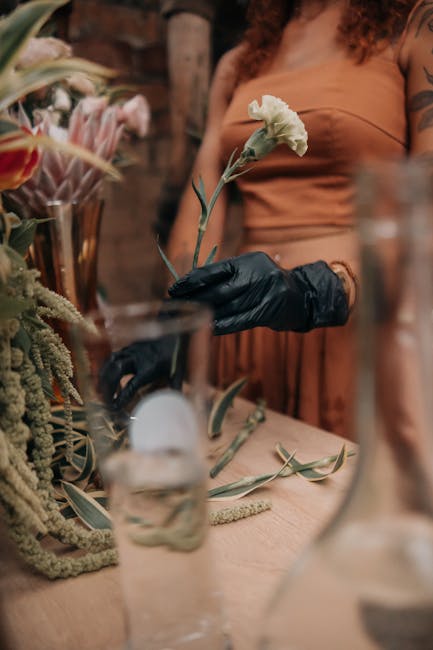
Masterclass: Conditioning Wholesale Blooms for Florists
Posted on 06/05/2026
If you buy flowers in volume, you already know the truth: the bouquet design is only half the job. The other half happens before a single stem reaches the workbench. Conditioning wholesale blooms for florists is the stage that decides whether flowers open beautifully, hold their shape, and stay saleable long enough to do their job. Skip it, rush it, or improvise, and you can lose quality very quickly. Get it right, and even a mixed pallet can behave like premium stock.
This masterclass walks through the practical side of conditioning wholesale flowers for florists, from unpacking and grading to hydration, storage, rotation, and final prep for arranging. It is written for working florists, studio teams, wedding specialists, and anyone who wants less waste, fewer surprises, and a calmer start to the day. To be fair, a lot of flower problems are not really design problems at all. They are handling problems.
Contents
- Why conditioning wholesale blooms matters
- How the conditioning process works
- Key benefits and practical advantages
- Who this is for and when it makes sense
- Step-by-step guidance
- Expert tips for better results
- Common mistakes to avoid
- Tools, resources and recommendations
- Law, compliance, standards and best practice
- Options, methods, and a comparison table
- Case study or real-world example
- Practical checklist
- Conclusion
- Frequently asked questions
Table of Contents
- Contents
- Why Masterclass: Conditioning Wholesale Blooms for Florists Matters
- How Masterclass: Conditioning Wholesale Blooms for Florists Works
- Key Benefits and Practical Advantages
- Who This Is For and When It Makes Sense
- Step-by-Step Guidance
- Expert Tips for Better Results
- Common Mistakes to Avoid
- Tools, Resources and Recommendations
- Law, Compliance, Standards, or Best Practice
- Options, Methods, or Comparison Table
- Case Study or Real-World Example
- Practical Checklist
- Conclusion
- Frequently Asked Questions
Why Masterclass: Conditioning Wholesale Blooms for Florists Matters
Conditioning is the bridge between grower freshness and florist-ready performance. In simple terms, it is the controlled process of helping cut flowers rehydrate, recover from transport stress, and settle into the right temperature and environment before they are used or sold. That sounds straightforward. In practice, it is where a florist's judgement really shows.
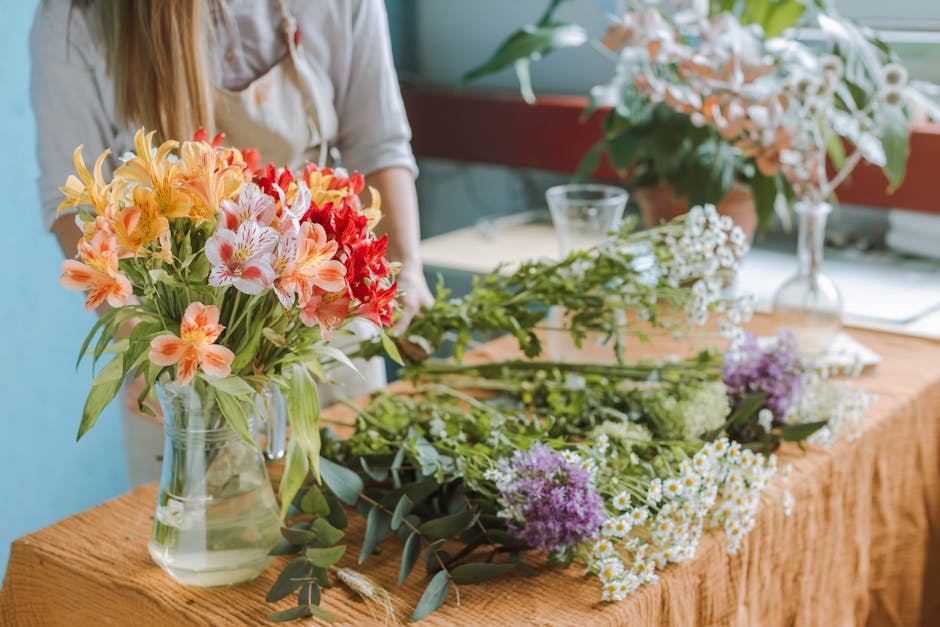
Wholesale blooms arrive with different histories. Some have travelled well. Some have been boxed tightly. Some may have had a long cold chain, while others have spent too long out of water somewhere in transit. Roses, lilies, alstroemeria, carnations, chrysanthemums and germini all respond differently. If you treat everything as identical, you get uneven opening, weak stems, or petals that seem a bit tired before they should.
This matters because quality control affects everything downstream: design consistency, customer satisfaction, waste reduction, and even your confidence when you take a large wedding or sympathy order. A florist who knows how to condition stock can make better promises and keep them. That is especially important when you are working with time-sensitive orders such as same-day delivery, seasonal peaks, or mixed occasion work that needs to move quickly from arrival to sale.
There is also the emotional side. A funeral spray, a wedding bouquet, or a simple thank-you arrangement needs blooms that look composed, not rushed. When you are handling flowers for a client who is already under pressure, the last thing you want is stem collapse or premature wilting. It is not glamorous. But it is the quiet craft behind reliable floristry.
How Masterclass: Conditioning Wholesale Blooms for Florists Works
Most conditioning routines follow a fairly consistent logic: inspect, clean, hydrate, stabilise, and store. The details change by flower variety and by season, but the flow is the same. You want to remove avoidable stress and give stems the best possible start.
The process usually begins as soon as the boxes are opened. Flowers need space, fresh blades, clean buckets, and cool water. Anything that blocks hydration, such as crushed foliage below the waterline or dirty containers, can shorten vase life. And yes, if the water smells off, the flowers will tell you pretty quickly.
Temperature matters more than many beginners realise. A cool, steady environment slows respiration and helps flowers recover. Sudden changes in heat, drafts, or direct sunlight can undo an otherwise careful setup. Florists who have a proper prep area tend to see the difference within hours, especially with delicate stems and thirsty varieties.
The best routines also separate stock by stage. Some blooms are ready to use almost immediately. Others need a longer drink, a recut, or more time to open. If you are building a stock plan for retail or event work, it helps to think in layers: quick-use flowers, medium recovery flowers, and slow-opening focal flowers. That is not flashy, but it works.
For many florists, conditioning also links closely to customer care. A strong care guide such as flower care advice helps keep your standards aligned after the flowers leave the shop. The better the handover, the fewer problems later.
Key Benefits and Practical Advantages
Good conditioning does more than make flowers "last longer." It changes how your business feels day to day. Orders are easier to plan. Designs behave more predictably. You waste less. And your team stops having to rescue stock that could have been fine from the start, if only it had been handled properly.
- Improved vase life: hydrated blooms recover faster and hold their freshness for longer.
- Better opening control: you can time fuller flowers for weddings, events, and premium retail work.
- Lower waste: fewer stems are discarded because of avoidable dehydration or damage.
- Stronger presentation: petal quality, stem straightness, and leaf condition all look more professional.
- Smoother workflow: prepared stock reduces last-minute panic, which frankly is a gift on a busy Friday.
- Higher customer confidence: clients notice when arrangements arrive in peak condition.
There is also a commercial advantage that often gets missed. Conditioning well can improve the performance of your premium ranges. If you offer luxury flowers, wedding florals, or florist-choice designs, the quality gap between average and excellent is often decided by what happens in the first few hours after delivery.
And on a practical level, conditioning supports product flexibility. A stem that has been properly prepared can be used in a vase arrangement one day and a hand-tied bouquet the next, depending on its stage. That kind of flexibility is worth money. It also gives you breathing room when the day changes, which it always does.
Who This Is For and When It Makes Sense
This masterclass is useful for almost anyone handling wholesale flowers, but especially for florists who buy in volume and need consistency. If you run a shop, a studio, a wedding business, or a mixed retail operation, conditioning is not an optional extra. It is part of stock management.
It makes the most sense when you regularly work with:
- high-value arrangements where quality is visible immediately;
- seasonal spikes such as Valentine's, Mother's Day, Christmas, and summer weddings;
- mixed blooms with different hydration needs;
- sympathy work where presentation must be calm and flawless;
- corporate or subscription accounts that expect reliable freshness week after week.
If you handle recurring business orders, a dedicated account structure can help you plan inventory more sensibly. That is where something like corporate accounts becomes more than an admin page; it is part of better stock planning.
Newer florists also benefit. In fact, beginners often gain the most because they can see the immediate difference between poorly conditioned and well-conditioned stock. With roses, for example, the improvement in petal posture and opening speed can be obvious by the next morning. A tiny win, but a satisfying one.
Step-by-Step Guidance
Below is a practical workflow you can adapt for your own workspace. It is not the only way to condition blooms, but it is a dependable one. Use it as a base, then refine it by flower type and local conditions.
- Prepare the workspace first. Clean buckets, sharp snips, fresh water, flower food where appropriate, labels, and enough bench space. If you are hunting for tools while boxes sit open, you are already losing time.
- Inspect the delivery on arrival. Check stem quality, head condition, bruising, leaf damage, and any sign of heat stress or mould. Separate anything questionable immediately.
- Unpack carefully. Remove outer packaging without crushing petals. Let the blooms breathe before you start cutting or bunching.
- Sort by flower type and maturity. Group stems that need similar treatment. Roses, lilies, alstroemeria, carnations, and chrysanthemums do not all want exactly the same thing.
- Strip lower foliage. Remove leaves that would sit below the waterline. This reduces bacterial growth and keeps water cleaner for longer.
- Recut stems cleanly. Use sharp blades and cut at an angle where appropriate. A blunt cut is a small thing, but it slows hydration more than you might expect.
- Place into clean, cool water promptly. Don't leave stems on the bench while you "just finish one thing." That one thing becomes ten minutes, and ten minutes matters.
- Let the blooms rest in the right environment. Use a cool prep area away from sun, fruit, heaters, and draughts.
- Monitor hydration and opening. Some flowers need a long drink before design work. Others can move into production sooner.
- Rotate stock and record what happens. Note which varieties open fast, which travel badly, and which need a longer conditioning window.
A useful habit is to create separate prep routes for everyday retail flowers and event flowers. For example, flowers destined for wedding bridal bouquets may need tighter timing and more controlled opening than flowers for a casual mixed hand-tied display. Same blooms, different job. That distinction saves a lot of headaches.
One more thing: if you sell flowers in ready-to-go formats, preparation should extend beyond the stems themselves. Packaging, water sources, presentation cards, and care notes all influence how the customer experiences the bouquet. A thoughtful add-on like a thank-you card may look minor, but it can support the premium feel of the order.
Expert Tips for Better Results
Experience teaches you the little things. Some of them sound obvious once you know them, but they are still worth saying out loud.
- Use buckets consistently. Do not mix cleaning standards. One rogue dirty bucket can affect a whole batch.
- Keep varieties separated. Some blooms give off more ethylene or need different hydration periods, so don't let one tricky stem bully the rest.
- Work in batches. Small, disciplined batches are usually better than trying to "do everything at once."
- Watch the heads, not just the stems. A stem can feel hydrated while the bloom is still not ready.
- Use observation records. Simple notes on arrival quality and vase performance are often more useful than fancy spreadsheets.
- Respect seasonal variation. Summer deliveries and winter deliveries behave differently. The shop can feel like a greenhouse at noon and a fridge by six o'clock. That swing matters.
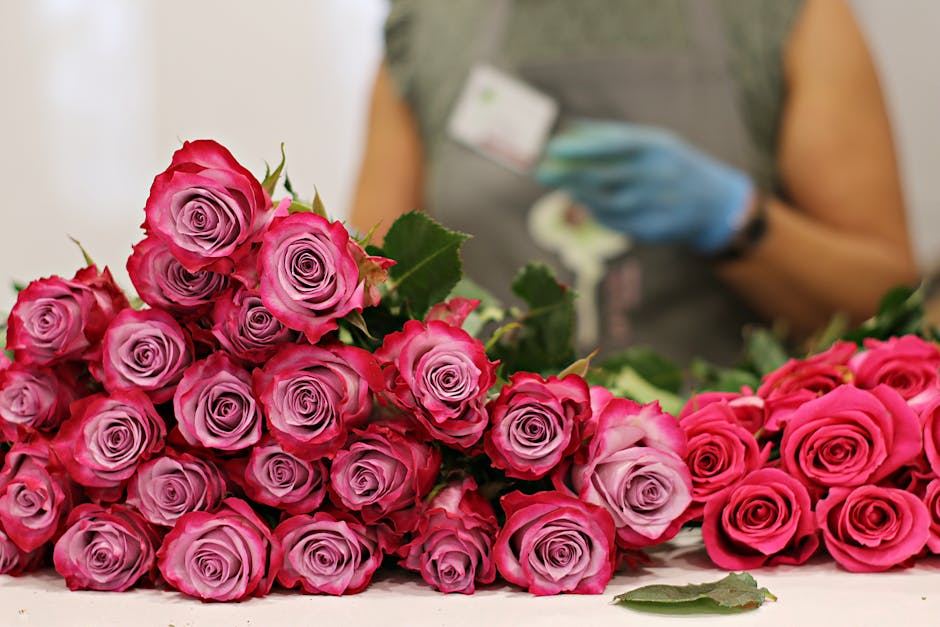
For certain varieties, timing the bloom opening is crucial. Roses and lilies may need different handling depending on the final design. If you are preparing stock for focal arrangements or premium mixed bouquets, it can help to pre-stage some flowers from the roses collection or choose supporting stems such as alstroemeria and carnations to balance the display.
And here is a small but real tip: keep a second bucket for "watch list" flowers. Not damaged stock, just the stems that need extra monitoring. It stops them from being forgotten in the corner. We have all done that, and no one enjoys finding a sulky bunch later in the day.
Common Mistakes to Avoid
Most conditioning mistakes are not dramatic. They are small shortcuts that add up.
- Leaving flowers out of water too long. Even short delays can affect performance, especially in warm rooms.
- Using dirty containers. Bacteria in buckets is one of the quickest ways to shorten vase life.
- Cutting with dull blades. Ragged stems do not hydrate as well as clean cuts.
- Overcrowding prep areas. Flowers need space to recover; cramming them together creates avoidable damage.
- Ignoring variety-specific needs. One-size-fits-all handling is convenient, but it is not always sensible.
- Storing near ripening fruit or heat sources. This seems minor, but it can speed deterioration.
- Skipping stock rotation. First in, first out should really be second nature in a busy florist workflow.
Another mistake is treating conditioning as something you do only for "important" orders. That is a false economy. Everyday bouquets still have your name on them. If anything, your regular customers are the ones most likely to notice consistency because they see it often.
There is also a subtle commercial trap: overbuying varieties you cannot condition quickly enough. It is tempting during a seasonal rush, but extra stock is only useful if you can actually handle it. Sometimes the smartest decision is a tighter, better-managed range, not a bigger one. Not glamorous. Very effective.
Tools, Resources and Recommendations
You do not need an enormous setup to condition wholesale blooms properly, but you do need reliable basics. A tidy kit makes the process faster and less stressful.
| Tool or resource | Why it matters | Practical note |
|---|---|---|
| Clean buckets | Supports hydration and hygiene | Use a consistent cleaning routine and replace worn containers |
| Sharp floral snips or knives | Protects stem structure | Keep blades sharp; blunt cutting damages uptake |
| Cool, shaded prep space | Reduces stress and premature opening | Avoid direct sun and heat vents |
| Fresh water supply | Essential for rehydration | Change water regularly; check temperature where possible |
| Labels or stock notes | Improves rotation and planning | Useful for large deliveries and event prep |
| Reliable supplier guidance | Variety-specific handling advice | Ask about opening stage, travel time, and storage expectations |
When planning customer-facing products, it helps to connect your conditioned stock with your wider offer. A polished delivery process, such as the guidance on delivery options, and a transparent service policy like returns and refund information both support trust. The flowers may be the star, but the experience around them matters too.
If sustainability is part of your buying criteria, it is worth choosing suppliers and methods that align with your values. Even a small operational change can matter over time, especially if you are moving a lot of stems every week. The same goes for keeping your team informed about sustainability commitments and ethical expectations.
For businesses that want a more rounded operational framework, pages such as terms and conditions, payment details, and guarantees also help set clear expectations. It sounds administrative, sure. But admin keeps the flower side freer.
Law, Compliance, Standards, or Best Practice
For florists in the UK, conditioning wholesale blooms is usually guided more by good practice than by one single rulebook. Still, there are important compliance areas that sit around the work and should not be ignored.
First, hygiene and safe handling matter. Clean work surfaces, safe use of cutting tools, and sensible storage help reduce contamination and workplace accidents. That is basic, but basic is good. If you run a team, you should also think about training and consistency so that standards do not rely on one person's memory.
Second, if you work with corporate clients or public venues, it is wise to keep reliable records of orders, substitutions, and delivery conditions. This is not just for disputes. It helps with internal quality control and stock traceability. A page such as modern slavery statement also signals that ethical sourcing is part of the wider business picture, even if the conditioning process itself is a separate operational matter.
Third, privacy and web-facing transparency matter for modern florists. Customers often move between product pages, care information, contact pages, and checkout steps quickly. Clear policies like privacy policy, accessibility statement, and about us help build trust before the flowers even leave the workshop.
Finally, if you are ever unsure about a supplier's handling recommendations, ask. That is not a weakness; it is professionalism. Some stems are unforgiving, and pretending otherwise is how a simple prep session turns into a long afternoon.
Options, Methods, or Comparison Table
There is no single conditioning method that suits every florist. Your approach will depend on volume, flower type, storage space, and how fast the stock needs to turn. The table below gives a practical comparison.
| Method | Best for | Pros | Limitations |
|---|---|---|---|
| Standard hydration and cool storage | Most mixed wholesale deliveries | Simple, reliable, easy to train | Needs space and disciplined rotation |
| Flower-by-flower conditioning | Premium stock and event work | Highly accurate, better bloom control | Takes more time and careful note-taking |
| Fast-turn retail conditioning | Busy shop floors | Efficient for same-day sales | Less control over opening stage |
| Event staging over 24-48 hours | Weddings and large occasions | Great timing for peak presentation | Requires planning and monitoring |
If you mainly sell everyday bouquets, a standard hydration routine may be enough. If you design weddings or tributes, you will probably need a more staged method. For example, a florist preparing wreaths or sprays may prioritise firmness and staying power, while a retail hand-tied range may favour quicker opening and visual fullness.
The smartest teams usually mix methods rather than forcing one system onto everything. That's the real answer, although it sounds less dramatic than people expect.
Case Study or Real-World Example
A practical example makes this clearer. Imagine a florist receives a mixed wholesale delivery on a Thursday morning ahead of a weekend with two birthdays, a sympathy order, and a small corporate reception. Nothing huge, but enough to make timing matter.
The team starts by separating stock into three groups. Roses and lilies go into a longer recovery bucket. Carnations and alstroemeria are marked for medium-turn use. A few mixed stems are held back for vase arrangements. The buckets are cleaned before anything else is touched. That part sounds boring. It is also the part that saves the day.
By Friday afternoon, the team has enough hydrated blooms to build birthday bouquets, a sympathy arrangement, and a set of mixed table pieces. Because the stock was conditioned properly, the flowers open at different but useful stages rather than all looking the same. The roses feel supple, the lilies have not collapsed, and the carnations are still crisp enough for design work. No one had to rush out for emergency replacements.
Now imagine the same order without good conditioning. You'd probably see uneven stem uptake, a few tired heads, and more waste. Maybe still usable. Maybe not. But the margin gets thin fast. In a small shop, that margin matters.
That is why good florists tend to be slightly obsessive about prep. Not because they love cleaning buckets at 8 a.m. - though maybe some do - but because they have seen the cost of cutting corners.
Practical Checklist
Use this as a quick pre-production check when wholesale stock arrives.
- Prepare clean buckets and sharp tools before the delivery lands.
- Inspect stems for bruising, mould, heat stress, or broken heads.
- Sort flowers by variety and likely opening stage.
- Remove foliage that would sit below the waterline.
- Recut stems neatly where needed.
- Place stems into fresh water quickly.
- Keep the prep area cool, clean, and away from direct sun.
- Separate quick-turn stock from event stock.
- Record any variety-specific issues for next time.
- Review whether the stock is suitable for your planned products.
Expert summary: if you remember only one thing, remember this - the best conditioning routines are consistent, quiet, and repeatable. They do not depend on luck. They depend on habits. And habits, thankfully, can be built.
Conclusion
Conditioning wholesale blooms is one of those parts of floristry that rarely gets the spotlight, yet it shapes nearly every customer-visible result. Whether you are building a fast retail bouquet, preparing wedding florals, or managing sympathy work, the quality of your conditioning routine shows up in the finished product. Clean buckets, careful recuts, proper hydration, sensible storage, and stock rotation are not dramatic techniques, but they are the difference between flowers that merely arrive and flowers that truly perform.
If you want stronger design outcomes, less waste, and a calmer workflow, start with the stems. The rest tends to fall into place after that. Not always perfectly - let's face it, floristry has its surprises - but much more reliably.
Get a free quote today and see how much you can save.
For a broader sense of the business behind the blooms, you may also want to explore the brand's about us page, customer support via contact us, and practical shop policies that help create a smoother experience from order to delivery.
Frequently Asked Questions
What does conditioning wholesale flowers actually mean?
Conditioning is the process of preparing cut flowers so they rehydrate, recover from transport, and become stable enough for arranging or sale. It usually includes unpacking, recutting, cleaning foliage, hydrating, and storing in the right environment.
How long should wholesale blooms condition before use?
It depends on the flower type, freshness on arrival, and room conditions. Some stems are usable fairly quickly, while others need several hours or overnight recovery. The safest approach is to observe the blooms rather than forcing a fixed rule onto everything.
Which flowers need the most careful conditioning?
Delicate or thirsty stems often need extra attention, but there is no single list that works for every delivery. Roses, lilies, hydrangeas, and mixed premium stems can all respond differently depending on how they were transported and stored.
Can I condition wholesale flowers in the same room I design in?
Yes, if the room is clean, cool, and well organised. However, it is usually easier to keep a separate prep area so buckets, packaging, and design work do not get in each other's way.
Why do some flowers open too fast after conditioning?
Usually because the room is too warm, the flowers were already mature on arrival, or the conditioning period was longer than intended. Timing is everything here. A few degrees can make more difference than people expect.
Do all wholesale blooms need flower food?
Not always in the same way. Some florists use it routinely, while others adjust based on flower variety and handling stage. The important thing is to follow trusted supplier guidance and keep your water and buckets clean.
How do I reduce waste when conditioning a large delivery?
Sort stock immediately, remove damaged stems early, and create a simple rotation system. Separate quick-use stock from event stock so nothing gets forgotten at the back of the prep area. That alone can cut down on avoidable losses.
What is the biggest mistake florists make with wholesale blooms?
The most common mistake is delaying hydration. Even a short pause out of water, especially in a warm shop, can reduce performance. Dirty buckets and blunt tools are close behind.
How does conditioning affect wedding flowers specifically?
Wedding flowers need predictable opening, structure, and staying power. Good conditioning helps you control all three. It also gives you more confidence when timing bridal bouquets, buttonholes, and table flowers for the ceremony schedule.
What should I check when a wholesale delivery arrives?
Look at stem firmness, bloom condition, leaf quality, bruising, and signs of stress from heat or dehydration. Then separate anything questionable and get the healthy stock into water as quickly as possible.
Is there a best storage temperature for conditioned flowers?
There is no universal perfect figure that suits every stem and every workspace, but cool, stable conditions are usually preferred. The key is avoiding heat spikes, direct sun, and sudden changes in temperature.
Can conditioning help with same-day delivery orders?
Absolutely. A well-conditioned stock room makes same-day work much easier because the flowers are already hydrated and easier to arrange. That supports quick turnaround without sacrificing presentation.
Should I write down how each flower batch performs?
Yes, if you want to improve over time. A few brief notes on quality, opening speed, and vase life can reveal patterns that help with ordering and handling. It is simple, but very effective.
Where can I learn more about flower aftercare and delivery?
Useful starting points include the site's flower care guidance, delivery information, and customer-support pages such as guarantees and returns and refund details. They help round out the whole customer experience.