Quick guide to keeping same day delivery flowers fresh insider tips
Posted on 04/11/2026
If you've ever opened the door to a fresh bouquet and thought, "Right, how do I keep these looking lovely for more than a day?", you're in the right place. This quick guide to keeping same day delivery flowers fresh insider tips is built for that exact moment. Same day flowers are brilliant for surprise gifts, last-minute celebrations, and those times when life moves faster than your planning did. But they also arrive with a small clock ticking in the background.
The good news? You can absolutely make those blooms last longer with a few simple habits. In our experience, it's usually not one dramatic trick that matters most. It's the small things done well: the first trim, clean water, a cool spot, and not leaving the bouquet in a hot hallway while you make tea and get distracted. Happens to the best of us.
Below, you'll find practical steps, common mistakes, expert care advice, and a straightforward way to keep cut flowers fresher for longer after same day delivery. We'll also touch on what to check when ordering, which flower types tend to be sturdier, and how to make a bouquet look good right through the week.
Why Quick guide to keeping same day delivery flowers fresh insider tips Matters
Same day flower delivery is fast by design. That speed is the appeal, but it also means the flowers may have spent more time in transit, in a warm van, in a wrap, or with limited water than blooms arranged the day before. If you want a bouquet to look good on the windowsill, dining table, reception desk, or bedside table, you need to help it recover quickly after arrival.
Freshness is not just about appearance. It affects fragrance, petal firmness, vase life, and the overall impression the flowers make. A bouquet that perks up properly within an hour can look generous and joyful for days. One that sits in its packaging until late evening? It may wilt faster than you'd expect. Not ideal if you're trying to create a nice moment, which is usually the whole point.
There's also a practical side. Flowers are often bought for birthdays, anniversaries, apologies, sympathy gestures, and last-minute "thinking of you" moments. When timing is tight, freshness is part of the value. A bouquet from same day delivery needs a little extra care once it lands. That's especially true for mixed arrangements, which can include flowers with different thirst levels and different vase-life expectations.
To be fair, most people do not need florist-level technique at home. But they do need a few habits that stop avoidable waste. A clean vase, a fresh cut, and the right water level can make a surprisingly big difference. Tiny effort, big payoff.
How Quick guide to keeping same day delivery flowers fresh insider tips Works
Fresh flowers begin to decline from the moment they're cut. That's not pessimism; it's just biology. Once stems are separated from the plant, they lose access to a constant water supply. They keep transpiring, petals keep opening, and the stem ends can start to close or take in bacteria if the bouquet isn't handled well.
Same day delivery adds another layer. Flowers may arrive slightly dehydrated from travel, particularly in warm weather or on busy delivery days. Some will be tightly budded, which is good for longevity. Others may be near peak bloom already, which looks dramatic right away but won't last as long. Both can be fine, as long as you know what you're dealing with.
The main goal is simple: rehydrate fast, reduce bacterial growth, and keep the bouquet away from heat and ethylene. Ethylene is a natural gas released by ripening fruit and ageing plant material; in plain English, it can make flowers fade quicker. So yes, that beautiful fruit bowl next to the vase is not always a great idea. A little awkward, but true.
Once you understand the chain, the care routine makes sense. Speed matters at the beginning, cleanliness matters every day, and the environment matters all week.
Key Benefits and Practical Advantages
Looking after same day flowers properly is not just about making them survive. It's about getting the full benefit of what you paid for, or what you sent to someone else. A fresher bouquet feels more generous, more polished, and more thoughtful. You can see it straight away when the stems stand up, the heads hold shape, and the colours look crisp rather than tired.
- Longer vase life: Better hydration and cleaner water can add meaningful days to the display.
- Better presentation: Flowers look fuller, fresher, and more balanced when they recover properly.
- Less waste: You don't end up throwing away half a bouquet too soon.
- Stronger gifting impact: A cared-for bouquet makes a far better impression on the recipient.
- More value from seasonal stems: Seasonal flowers often perform beautifully when handled well.
There's also a subtle emotional benefit. Flowers are often tied to a moment: a reconciliation, a birthday tea, a hospital visit, a quiet "I'm thinking of you." When they stay fresh, the moment stretches a bit. The room keeps feeling gentle and intentional, which is really what most people want.
Who This Is For and When It Makes Sense
This guide is useful for anyone who orders flowers at short notice and wants them to last more than a day or two. That includes busy households, office managers, event planners, gift buyers, and anyone who has ever remembered an occasion at 2 p.m. and needed something lovely by 6 p.m. We've all been there. No judgement.
It's especially helpful if you are:
- sending birthday or anniversary flowers across town
- ordering sympathy flowers and want them to stay presentable for a wake or home visit
- choosing a bouquet for a workplace reception or client desk
- buying a mixed arrangement with roses, lilies, alstroemeria, or chrysanthemums
- trying to keep flowers looking good through a weekend
- receiving a bouquet and want clear, immediate steps rather than vague advice
It also makes sense if you care about choosing the right style in the first place. Some arrangements are naturally better suited to longevity, like sturdy mixed bouquets or designs featuring long-lasting stems. If you want a broad choice, browsing options such as all flowers or a more guided pick like florist choice can help. That said, the care routine still matters no matter what you order.
Step-by-Step Guidance
If you only take one thing from this article, let it be this: the first 15 minutes after delivery matter a lot. That's when you set the bouquet up for success. Here's the simple routine we'd recommend.
1. Unpack the flowers promptly
Take the flowers out of any outer packaging as soon as you can. Wraps and sleeves help with transport, but they are not where the bouquet should live. If the stems have been bundled tightly, let them breathe. If there's a water source attached to the wrap, keep the bouquet upright while you remove it so you don't spill water everywhere. Bit of a small drama if you do, but manageable.
2. Choose a clean vase
A freshly washed vase is not a nicety; it's one of the easiest freshness boosters going. Soap residue, old stem bacteria, and dusty glass all shorten vase life. Rinse thoroughly. If the vase has a narrow neck, make sure it still allows the stems to spread naturally instead of cramming them together like commuters on the Central line.
3. Trim the stems correctly
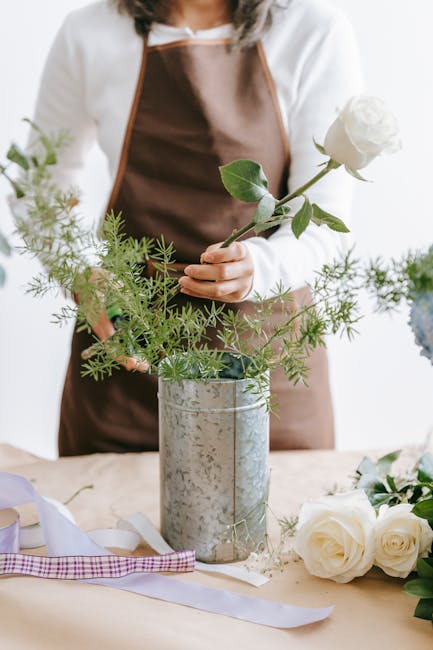
Cut 2-3 cm from the bottom of each stem at a slight angle using a sharp, clean knife or scissors. Angled cuts increase the surface area for water uptake, though the bigger win is simply making a fresh opening after transport. Re-cutting is especially important if the stems have been out of water for a while.
Remove any leaves that would sit below the waterline. Those leaves rot quickly and encourage bacteria. That's one of those simple things people skip, then wonder why the water looks murky by day two.
4. Add fresh, cool water
Use cool, clean water unless your florist has given specific instructions otherwise. Fill the vase enough to support the stems, but not so high that leaves sit underwater. For many bouquets, around one-third to one-half full is reasonable, though the exact level depends on stem length and vase shape.
5. Use flower food if supplied
If flower food comes with the bouquet, use it. It usually contains a mix of nutrients, acidifiers, and a biocide to slow bacterial growth. In plain language: it helps the flowers drink more effectively and keeps the water cleaner for longer. Follow the packet directions rather than guessing. Too much is not better.
6. Position the vase carefully
Keep the bouquet away from direct sun, radiators, ovens, fruit bowls, and draughty doors. A cooler room usually extends life more than people expect. In a warm kitchen on a sunny afternoon, blooms can open and fade fast. In a calm hallway or cool living room, they often last noticeably longer.
7. Refresh water and recut when needed
Change the water every two days, or sooner if it looks cloudy. Give the stems a fresh trim every couple of days too. If you notice a slightly sour smell, slimy stems, or drooping heads, don't wait. Act early. Flowers often recover better when you intervene before they're visibly failing.
8. Remove fading blooms
Dead or collapsing flowers should come out of the arrangement. They can release more ethylene and encourage mould or bacteria. Removing them also helps the rest of the bouquet look better. A small reset makes a big visual difference, especially in mixed bunches.
Expert Tips for Better Results
Once the basics are in place, a few florist-style details can improve results further. These are the bits that tend to separate a decent vase life from a really good one.
- Start with cooler storage if you can: If the flowers arrive early and the room is warm, place them somewhere cool while you prep the vase.
- Check stem firmness: If a stem feels soft or woody at the end, trim a little more until the cut surface looks clean.
- Give mixed bouquets space: Crowded stems create pressure points and reduce airflow.
- Be cautious with lilies: Lilies can be beautiful and long-lasting, but pollen can mark surfaces. Remove anthers if needed and keep them away from fabrics.
- Use the right vase height: Tall stems need support. Short arrangements can drown in a vase that's far too deep.
- Think about room temperature overnight: A slightly cooler room helps flowers rest. No need to put them in the fridge unless you know exactly what you're doing.
A small but useful tip: if your bouquet contains roses, give each rose head a gentle check after arranging. Sometimes an outer petal is bruised in transit. Removing one tired outer petal can make the whole bloom look more open and clean. Tiny rescue work, really.
Another thing people underestimate is the order of operations. If you are cooking, cleaning, or rushing about, unpack the flowers first, not later. They are living material, not table decor waiting patiently in a corner. Put them in water quickly and you're already halfway there.
Common Mistakes to Avoid
Most flower-freshness problems are avoidable. That's the annoying part, in a way, because the bouquet often didn't fail on its own; it was the handling. The good news is that the fixes are simple.
Leaving the bouquet wrapped for too long
Presentation wrap looks lovely, but it can trap heat and restrict stems. Flowers need water and air, not a waiting room.
Using a dirty vase
Even if the vase looks clean, it may still contain bacteria. A quick wash is one of the easiest ways to extend vase life.
Skipping the stem cut
Transport can seal the cut ends or dry them out. A fresh cut helps water move into the stems again.
Putting flowers near fruit
Apples, bananas, and other ripening fruit can speed up fading. If you want your bouquet to hold, keep them apart.
Overfilling the vase
Too much water can cause leaves to rot below the surface. Too little and the stems dry out. Balance matters.
Ignoring early signs of stress
Droop, cloudy water, soft stems, and bent heads are early warnings. Deal with them quickly rather than hoping for the best. Hope is lovely. It's just not a care plan.
Tools, Resources and Recommendations
You do not need a florist shop's worth of equipment to keep same day flowers fresh, but a few items make life much easier. If you tend to receive flowers regularly, these are worth having at home.
- Clean vase: Ideally one in a few sizes so you can match bouquet height properly.
- Sharp scissors or floral snips: Dull blades crush stems instead of cutting them cleanly.
- Fresh water jug: Handy for quick topping up.
- Flower food: Use it when supplied, and store extras somewhere dry.
- Soft cloth or paper towel: Useful for wiping the vase rim and cleaning up spilled leaves.
On the buying side, choose arrangements that suit the occasion and the likely display environment. A busy office reception may suit a sturdier arrangement like best sellers or a reliable mixed style, while a home dining table might suit something softer and more expressive like luxury flowers. If you are sending something with a message attached, pairing flowers with a card can make the delivery feel complete, like thank you card or another matching card from the store range.
If you want care information direct from the shop, the dedicated flower care page is worth a look, especially if the bouquet includes more delicate stems or a mixed selection that needs a little tailoring.
Law, Compliance, Standards, or Best Practice
Flower care itself is not a heavily regulated activity for the customer, but there are still sensible standards and expectations worth knowing. Retailers should describe products accurately, follow fair trading practices, and provide clear information about delivery, substitution, and complaints handling. From a customer point of view, that means checking order details carefully, especially on same day gifts where timing is tight.
If you are ordering flowers for a workplace, venue, care setting, or event in the UK, best practice is to make sure the delivery point is open, safe, and ready to receive perishable goods. That sounds obvious, but it is one of those details that causes avoidable frustration. A bouquet left on a doorstep in poor weather will not fare well, and nobody wants that.
It is also sensible to review policies on delivery and refunds before placing an urgent order, especially if the flowers are for a time-sensitive occasion. Pages such as delivery, returns and refund, guarantees, and terms and conditions help set expectations clearly. That's not just admin; it's part of a smooth flower-buying experience.
If you are ordering on behalf of a business, the corporate accounts page may also be useful for regular gifting, office arrangements, or recurring floral orders. Little bit of planning saves a lot of last-minute stress.
Options, Methods, or Comparison Table
Not every bouquet needs the same treatment. Some are naturally hardier, some are more delicate, and some are best enjoyed immediately. If you want better freshness, it helps to choose the right starting point. Here's a simple comparison.
| Flower type or style | Freshness strength | Typical care note | Best for |
|---|---|---|---|
| Roses | Good | Need clean water and a fresh cut; remove outer bruised petals | Romance, birthdays, anniversaries |
| Alstroemeria | Very good | Often long-lasting if leaves are kept out of water | Mixed bouquets, everyday gifts |
| Carnations | Very good | Hardy stems; benefit from regular water changes | Longer displays, value-focused orders |
| Lilies | Good | Can open quickly in warmth; pollen needs care | Statement bouquets, elegant gifts |
| Hydrangeas | Moderate | Thirsty stems; need a generous water supply | Cool rooms, careful home display |
| Mixed florist's choice | Varies | Follow the most delicate stem in the bouquet | Flexible, value-conscious gifting |
If you want a bouquet that is visually impressive and likely to hold up well, a balanced mix from the best sellers range is often a safe place to start. If you're shopping on a tighter budget, the budget selection can still work well provided you give it proper care as soon as it arrives.
Case Study or Real-World Example
A very ordinary, very real scenario: a birthday bouquet arrives at lunchtime for someone in a small London flat. The flowers are lovely, but the kitchen is warm, the window is bright, and the recipient plans to leave them in the wrapping until after work. Not ideal.
Instead, they unpack the bouquet straight away, trim the stems, remove the lower leaves, and place the flowers into a clean vase with cool water. The vase goes on a hallway console rather than next to the fruit bowl or above a radiator. By early evening the stems have lifted, the petals look more open, and the whole room feels calmer. Same flowers. Very different result.
We've seen the same pattern with sympathy arrangements and thank-you bouquets. The ones that are placed carefully in the first half-hour tend to look dignified and fresh for longer. The ones left in a wrapper on the table usually fade a bit faster, even if they were beautiful on arrival. Truth be told, that first bit of care matters more than people think.
A small detail that often helps: if the bouquet is a little top-heavy, choose a vase with a narrower neck or support the stems with a slight spiral arrangement. It stops the heads from collapsing outward and keeps the bouquet looking intentional instead of a bit flopsy. Not a technical term, but you know what I mean.
Practical Checklist
Use this quick checklist when your same day flowers arrive. It's simple, but it works.
- Unwrap the bouquet as soon as possible
- Wash the vase thoroughly
- Trim 2-3 cm from each stem at an angle
- Remove leaves below the waterline
- Use cool, fresh water
- Add flower food if provided
- Keep flowers away from heat, sun, and fruit
- Top up or change water every two days
- Re-cut stems every couple of days
- Remove any fading blooms quickly
Expert summary: if you want same day flowers to last, do the simple things early and keep the environment steady. Clean water, cool placement, and a fresh cut will do more than most people expect. That's the real insider tip, honestly.
Conclusion
Keeping same day delivery flowers fresh is mostly about speed, cleanliness, and placement. The bouquet starts its life with a little extra travel behind it, so the home stretch matters. Unwrap it promptly, trim the stems, keep the water clean, and give the arrangement a cool, calm spot to settle into. That's the routine, and it really does make a difference.
Choose flowers suited to the occasion, pay attention to the first hour after delivery, and avoid the common slip-ups that shorten vase life. If you do those things, your bouquet will usually look better, smell fresher, and stay enjoyable for longer. Not bad for a few minutes' work.
Get a free quote today and see how much you can save.
And if all you manage is one good vase, one fresh cut, and one cool room, that's still a win. Sometimes the simplest care is the kind that quietly lasts.
Frequently Asked Questions
How long should same day delivery flowers last?
It depends on the flower type, the freshness on arrival, and how well they're cared for. Some arrangements may look good for several days, while hardier stems can last longer. The first 24 hours matter a lot, so fast unpacking and clean water really help.
Should I cut the stems as soon as the flowers arrive?
Yes, in most cases. A fresh angled cut helps the stems take up water more effectively after transport. Use sharp, clean scissors or snips, and remove any leaves that would sit in the vase water.
Do I need to use flower food?
If flower food is provided, it's usually worth using. It helps feed the flowers and slows bacterial growth in the water. Follow the packet instructions rather than adding extra.
Can I put same day flowers in the fridge?
Usually not unless you know the bouquet is suitable and you have space away from fruit and food. A cool room is often the safer option for home use. Domestic fridges can be too dry or too crowded for many arrangements.
Why do my flowers droop even after I put them in water?
They may need a fresh cut, a cleaner vase, more water, or time to rehydrate after travel. Some stems also dislike warmth and direct sun. If drooping continues, check for blocked stem ends or damaged flowers.
Which flowers tend to last longest in same day delivery bouquets?
Hardier stems such as carnations and alstroemeria often last well, and some mixed bouquets are designed for longer vase life. That said, freshness on arrival and aftercare still make a big difference.
Can I mix same day flowers with fruit or candles on the table?
Candles are fine if they're not too close, but fruit bowls are best kept away. Ripening fruit gives off ethylene, which can shorten flower life. A little space goes a long way.
How often should I change the vase water?
Every two days is a good general rule, though sooner may be needed if the water turns cloudy or smells off. Fresh water helps keep bacteria down and supports better stem uptake.
What should I do if a few flowers in the bouquet are already fading?
Remove them promptly so they don't drag down the rest of the arrangement. It keeps the bouquet looking neater and reduces the chance of the remaining flowers declining faster.
Is same day delivery less fresh than next day delivery?
Not necessarily. It depends on how the flowers were sourced, prepared, and delivered. A well-handled same day bouquet can be very fresh, especially if it is unpacked and cared for quickly on arrival.
What if the bouquet arrives late in the evening?
If it arrives late, get it out of the packaging, trim the stems, and place it in water before bedtime. Then keep it somewhere cool overnight. You can always do a more polished arrangement the next morning.
Where can I find the care instructions for my bouquet?
Check the product details and any included card or insert, and refer to the site's dedicated flower care guidance. Some flowers need slightly different treatment, so a quick look can save a lot of guesswork.