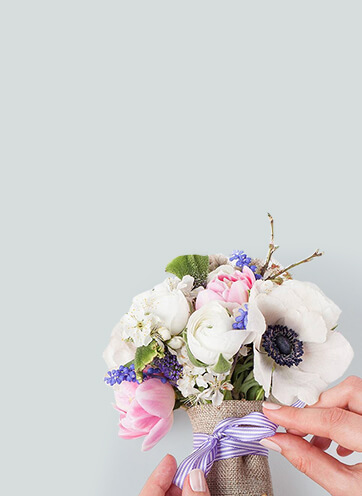
Why Choose an RHS-Certified Florist: What Certification Means
Posted on 11/10/2026
If you've ever stood in front of a bunch of flowers wondering why one florist seems instantly more trustworthy than another, you're not alone. Choosing a florist is partly about taste, of course, but it's also about confidence: will the flowers arrive fresh, will they suit the occasion, and will the arrangement look as polished in real life as it did in the photo? That is where Why Choose an RHS-Certified Florist: What Certification Means starts to matter. It gives you a clearer way to judge expertise, standards, and consistency before you spend a penny.
To be fair, most people do not have time to decode florist credentials. You just want something beautiful and properly done. This guide breaks down what RHS certification means, why it matters, how it works in practice, and how to use that knowledge when deciding who to trust with your order.
In plain English: it is about knowing the florist has met a recognised level of horticultural knowledge and professional competence. That does not mean every certified florist is identical, but it does mean you are starting from a stronger baseline.
Here's the thing. Flowers are often bought for moments that cannot be repeated. A birthday, a funeral, a wedding morning, a "sorry," a thank-you, a quiet pick-me-up on a grey Tuesday. You want the flowers to feel right. Certification can help make that happen.
- Why certification matters
- How RHS certification works
- Benefits of choosing a certified florist
- Who should care about certification
- How to choose the right florist
- Expert tips for better results
- Mistakes to avoid
- Useful resources and tools
- Best practice, standards, and compliance
- Comparison of florist options
- Real-world example
- Practical checklist
- Frequently asked questions
Why Why Choose an RHS-Certified Florist: What Certification Means Matters
Let's start with the obvious question: why should you care whether a florist is RHS-certified at all? Because flowers are not just decorative. They are living, perishable products that need handling properly, and good floristry is part design skill, part plant knowledge, part timing. A certified florist is more likely to understand those moving parts well.
The RHS, or Royal Horticultural Society, is widely respected in the UK for horticultural education and standards. When a florist has an RHS-related certification or training background, it generally signals that they have invested time in learning the craft properly. That can include plant identification, flower care, seasonal awareness, and design principles. It is not a magic stamp, but it is a meaningful signal.
And in practical terms, that signal matters. Imagine ordering sympathy flowers for a service. You do not want loose stems, wilted petals, or colours that feel off. Imagine a wedding bouquet that droops before the photos are done. Or a corporate arrangement that looks tired by lunchtime. Certification can reduce those risks because it usually reflects stronger fundamentals.
There is also a trust angle. In a market where anyone can say they "do flowers," certification helps separate the hobbyist from the trained professional. Not always perfectly, no. But enough to be useful. Enough to matter.
Expert summary: RHS certification is best understood as a marker of floristry knowledge, plant handling skill, and professional seriousness. It does not guarantee perfection, but it often improves the odds of better quality, better advice, and better results.
That is especially useful if you are buying for an important moment or want your flowers to last longer once they arrive. A florist who understands seasonal stems, conditioning, and arrangement structure will usually make better decisions with your order.
How Why Choose an RHS-Certified Florist: What Certification Means Works
The simplest way to think about RHS certification is this: it shows the florist has studied and been assessed against recognised horticultural knowledge. The details can vary depending on the exact qualification or training route, but the broad point stays the same. The florist has gone beyond guesswork.
In practice, this often influences several parts of the customer experience:
- Flower selection: better understanding of seasonal availability, stem life, and texture.
- Conditioning: proper preparation of flowers before arranging them.
- Design decisions: balancing shape, colour, proportion, and style.
- Advice: knowing what works for a venue, occasion, or budget.
- Problem-solving: adjusting when stems are unavailable or weather affects freshness.
A certified florist is also more likely to know when to say no. That sounds minor, but it is actually a big sign of professionalism. If a flower is not in good condition, or if a requested variety is wrong for the season, a good florist should explain alternatives rather than forcing a weak result. Truth be told, that level of honesty is worth a lot.
Here is a useful distinction: certification is about knowledge and standards, not just style. A florist can have a lovely Instagram feed and still struggle with technical consistency. On the other hand, a certified florist may not always be the trendiest, but they are often better equipped to deliver reliable work. You can have both, naturally, but if you are choosing one thing to trust, knowledge is a strong place to start.
It may also influence how the florist handles special requests. For example, if you need specific colours for a wedding, or flowers that hold up better in warm indoor rooms, or sympathetic designs for a funeral, that practical understanding can make the whole process smoother. Less guesswork. Less back-and-forth. Less last-minute panic on a Friday afternoon, which, let's face it, is nobody's favourite florist experience.
Key Benefits and Practical Advantages
So what do you actually gain by choosing an RHS-certified florist? Quite a bit, if you care about quality and peace of mind.
1. Better flower knowledge
Certified florists are more likely to understand the difference between flowers that look good in a bucket and flowers that hold up well in a bouquet. That matters when freshness, vase life, and structural stability all matter at once.
2. Stronger design judgement
Good floristry is not just throwing blooms together. It's proportion, movement, colour balance, and texture. Certification often helps sharpen that eye. You will notice the difference in arrangements that feel composed rather than crowded.
3. More reliable advice
If you are unsure whether to choose lilies, roses, mixed seasonal stems, or something lower-maintenance, a well-trained florist can guide you honestly. They can also tell you when a certain flower is likely to be fragrant, delicate, heavy, or unsuitable for a particular setting.
4. Better value over time
It is easy to focus only on the sticker price. But if an arrangement lasts longer, arrives looking fuller, or needs fewer replacements, the value is better. That is especially relevant for households, offices, receptions, and events.
5. More confidence with sensitive occasions
Weddings, funerals, religious services, anniversaries, and milestone birthdays all come with emotional expectations. A trained florist is more likely to understand those nuances. Not just technically, but respectfully.
6. Greater consistency
One thing people often underestimate is consistency. A good florist does not just deliver a great bouquet once; they do it repeatedly. Certification supports habits and standards that make that more likely.
| What you want | What a certified florist tends to offer | Why it matters |
|---|---|---|
| Fresh-looking flowers | Better conditioning and stem selection | Improves vase life and appearance |
| Accurate occasion fit | More thoughtful design choices | Reduces awkward or mismatched arrangements |
| Helpful guidance | Knowledge-based recommendations | Makes ordering easier when you are unsure |
| Reliable event work | Stronger planning and execution | Important for weddings, funerals, and corporate settings |
| Better problem-solving | Seasonal and substitution awareness | Helps when supply changes or weather affects stock |
There is another practical benefit too: communication tends to be better. A florist who knows their subject usually asks sharper questions. Not annoying questions. Useful ones. Delivery timing, recipient preferences, venue conditions, colour direction, scent sensitivity. Those little details can make the final result feel much more personal.
Who This Is For and When It Makes Sense
Honestly, almost anyone buying flowers can benefit from a certified florist, but some people will notice the value more than others.
- People ordering for emotional occasions: sympathy flowers, memorial tributes, anniversaries, and apologies.
- Couples planning weddings: bridal bouquets, buttonholes, reception pieces, and table arrangements all need coordination.
- Businesses and offices: reception displays, corporate gifting, and regular installations benefit from consistency.
- Gift buyers who want no fuss: if you want the bouquet to "just be right," expertise helps.
- Customers with specific preferences: colour themes, fragrance concerns, allergy awareness, or long-lasting flowers.
It also makes sense when the order is time-sensitive. Same-day requests, event deadlines, and last-minute changes are where real florist skill shows up. A calm, organised florist with proper training can often handle these pressures more smoothly than someone who is winging it. No drama, no guessing, just better control.
If your order is small and very casual, you may not need to think hard about certification. A simple bunch of seasonal flowers for a kitchen table can be lovely from many places. But the more important the moment, the more useful certification becomes. That is the honest version.
For shoppers browsing by occasion, it can also help to look at well-structured collections such as birthday flowers, sympathy flowers, or wedding flowers when you want a florist who clearly understands the purpose of the arrangement.
Step-by-Step Guidance
If you are trying to choose a florist with confidence, here is a sensible way to do it without overthinking the whole thing.
- Start with the occasion. Is it a gift, an event, a funeral tribute, or corporate work? The purpose changes what matters most.
- Check the florist's credentials or background. Look for RHS certification, horticultural training, or clear evidence of professional development.
- Review the product range. A strong shop should show variety across occasions, styles, and budgets, not just one type of bouquet.
- Read the wording carefully. Good florists explain what flowers may vary by season and what substitutions might happen if needed.
- Ask about care and delivery. Proper handling matters. Flowers can look great online but arrive tired if logistics are weak.
- Compare tone and detail. A knowledgeable florist usually writes and speaks with clarity, not vagueness.
- Make the order specific where it matters. Mention colours, scent sensitivity, delivery timing, or occasion details.
- Follow up if needed. If you are ordering for an important event, confirm the key points before the day.
A small but important note: if you cannot get a straight answer about substitutions, freshness, or delivery windows, that is a warning sign. Not necessarily a disaster, but worth paying attention to. A professional florist should be able to explain things plainly.
And if you are choosing flowers for a home or workplace, it can help to look at the florist's care guidance too. A page like flower care advice can tell you a lot about how seriously they treat the finished product.
Expert Tips for Better Results
After years of seeing what works, a few practical habits stand out. They are simple, but they make a real difference.
Choose by season when you can
Seasonal flowers are often fresher, better value, and more naturally suited to the time of year. Spring tulips, summer mixed stems, autumn textures, winter whites. Seasonal choices usually look more effortless too.
Prioritise a florist's handling standards
How flowers are stored, cut, hydrated, and arranged matters just as much as the final style. If a florist talks about freshness, conditioning, and delivery handling, that is a good sign.
Be specific about the feeling you want
"Elegant" can mean different things to different people. Try words like soft, romantic, formal, modern, cheerful, restrained, luxurious, or natural. The more precise your brief, the better the outcome.
Use the florist's strengths
Some florists are particularly strong in weddings. Others excel at sympathy work or colourful gift bouquets. If the range is broad, look for the style that best matches your need instead of assuming every florist is equally strong at everything.
Ask what can be substituted
This is where experience shows. A florist with real expertise will suggest sensible alternatives rather than just swapping flowers randomly. That can save the whole arrangement, honestly.
One more thing. If you need extra reassurance for a gift, choosing a florist who also offers delivery and guarantee information can give you a cleaner customer experience. For example, it is worth checking pages such as delivery information and service guarantees so you know what to expect.

Common Mistakes to Avoid
People do not usually choose the wrong florist because they are careless. More often, they are rushed, distracted, or trying to save a bit of money without realising where the trade-offs are.
- Choosing only by price. Cheap can be fine, but very low pricing sometimes means smaller stems, weaker packaging, or fewer service protections.
- Assuming all flowers are equal. They are not. Some varieties travel better, last longer, and suit certain occasions more effectively.
- Ignoring the occasion. A lively birthday bouquet is not the same brief as a quiet sympathy tribute.
- Not checking delivery details. Timing, recipient availability, and access instructions matter more than people expect.
- Overlooking care advice. If you do not know how to look after the flowers, even a beautiful arrangement can fade too quickly.
- Forgetting to ask about substitutions. This is especially relevant for seasonal stems and special events.
Another common misstep is assuming a florist's online shop tells the whole story. It helps, of course, but a webpage cannot fully show how a florist handles the bouquet in real life. The little things matter: how they trim stems, how they package arrangements, how they communicate when something changes. That is where certification and professionalism start to show.
Tools, Resources and Recommendations
You do not need specialist equipment to choose a good florist, but a few practical resources can help you assess one.
- Product pages: Useful for judging style, range, and whether the florist covers occasions well.
- About pages: Helpful for understanding the florist's background and values. For example, about us can tell you more about the business behind the arrangements.
- Care guidance: Look for instructions on vase placement, water changes, and stem trimming.
- Guarantee and returns information: Important if you want clarity about what happens if something goes wrong. A page like returns and refund policy is useful to read before ordering.
- Contact details: A responsive florist is usually easier to work with, especially for event orders or last-minute requests. See contact us if you need a conversation before placing an order.
If you are ordering for a business, you may also want to review corporate account options, since recurring orders need reliable administration as well as attractive flowers.
For values-led buyers, it can be helpful to check the florist's sustainability approach too. That may not be the deciding factor for everyone, but it matters if you prefer a more considered buying choice.
Law, Compliance, Standards, or Best Practice
For a topic like this, there is no single legal rule that says you must buy from an RHS-certified florist. That would be overplaying it. But there are still sensible standards and best practices worth paying attention to.
In the UK, a florist selling flowers online or in-store should be clear about the products offered, delivery terms, payment terms, and customer service policies. Good businesses also provide accessible information about privacy, cookies, and trading terms. Those pages are not glamorous, but they matter. They help you understand how the business works and what rights you may have if something goes wrong.
Best practice in floristry also includes proper freshness handling, honest substitutions, clear communication, and respectful presentation for sensitive occasions. For funerals especially, professionalism is not just a nice extra; it is part of the service.
If a florist also provides a terms and conditions page, privacy policy, and related customer information, that usually signals a more structured and accountable business. Not perfect, but more transparent.
There is also an ethical side to floristry best practice. Careful sourcing, waste reduction, and reasonable working standards matter. You do not need a lecture. Just a florist who thinks beyond the bouquet and pays attention to how flowers are handled across the whole process.
Options, Methods, or Comparison Table
If you are comparing your options, this simple table can help. It is not about declaring one type of florist "best" in every case. It's about recognising what each option tends to offer.
| Option | What it usually offers | Best for | Possible downside |
|---|---|---|---|
| RHS-certified florist | Stronger horticultural knowledge and professional handling | Important occasions, custom work, quality-focused buyers | May cost a little more than a basic option |
| Experienced independent florist | Strong local know-how and personal service | Custom orders and people who value flexibility | Credential depth may vary |
| Large chain florist | Convenience and standardised ordering | Simple gifts and quick ordering | Less bespoke attention |
| Budget online seller | Lower prices and broad availability | Price-sensitive orders | Quality, freshness, and detail can be less consistent |
The key question is not "which is cheapest?" It is "which option is most likely to deliver the result I actually want?" For a simple thank-you bouquet, a budget option may be enough. For a wedding or memorial, many people prefer a florist whose training and standards are easier to trust.
Case Study or Real-World Example
Here is a realistic example from the kind of situation many people face. A customer needs a bouquet for a retirement lunch in a London office, with a delivery window before noon. The recipient loves soft colours, dislikes strong perfume, and the office reception is small, so the arrangement needs to look polished without taking over the desk.
A florist with good training does a few things well. They recommend flowers that suit the season, suggest a vase-ready arrangement to reduce fuss, and avoid overly fragrant blooms that could overwhelm a workspace. They also think about transport, because flowers that are crammed into a box and left in a hot van tend not to arrive at their best. Simple, but important.
Now compare that with a less experienced seller. They might pick a visually attractive arrangement that looks great in the photo but has no real thought behind it. It might be too tall for the office table, too delicate for transport, or too scented for the recipient. Nothing catastrophic. Just slightly off. And in floristry, "slightly off" is often enough to spoil the impression.
That is the value of certification in practice. It often shows up in the details you only notice once the flowers arrive: the balance of the arrangement, the freshness of the stems, the appropriateness of the palette, and the ease of handling. The bouquet simply feels considered.
Practical Checklist
Use this quick checklist before you place your order. It keeps the decision grounded and saves a bit of regret later.
- Do I know what occasion I am buying for?
- Does the florist show signs of real training or certification?
- Is the flower range clear, seasonal, and suitable for my need?
- Have I checked delivery timing and area coverage?
- Do I understand what happens if certain flowers are unavailable?
- Is there clear guidance on care, returns, and guarantees?
- Does the florist seem knowledgeable in their product descriptions?
- Have I chosen a style that suits the recipient, not just my own taste?
- For sensitive occasions, does the florist handle the tone respectfully?
- Have I provided all important details, such as colour, scent, and timing?
If you can tick most of those off, you are in a much stronger position. And if a florist makes the process feel calm and clear, that is usually a very good sign.
Conclusion
Choosing an RHS-certified florist is not about chasing a badge for its own sake. It is about reducing uncertainty. It is about selecting someone who is more likely to understand flowers properly, handle them carefully, and create an arrangement that fits the moment. For important occasions, that matters a lot.
The real benefit of certification is practical: better knowledge, steadier quality, stronger advice, and more confidence in the final result. You still want style, good service, and fair value. Of course you do. But certification gives you another layer of reassurance, and honestly, that can make all the difference when the flowers matter most.
If you are still comparing options, start with the occasion, check the florist's standards, and choose the one that feels clear, honest, and capable. Beautiful flowers are lovely. Beautiful flowers that arrive thoughtfully prepared are better.
Get a free quote today and see how much you can save.

Frequently Asked Questions
What does RHS-certified florist mean?
It usually means the florist has undertaken recognised Royal Horticultural Society-related training or certification that demonstrates horticultural knowledge and practical skill. In plain terms, they should know more than the basics of arranging flowers.
Is an RHS-certified florist always better than a non-certified florist?
Not always, but certification is a useful trust signal. It often indicates stronger technical knowledge and better handling. A talented non-certified florist may still do excellent work, but certification gives you more to go on.
Does certification guarantee fresh flowers?
No certification can guarantee every stem on every day, because flowers are perishable and supply changes. But trained florists are generally better at selecting, conditioning, and presenting flowers so they arrive in good shape.
Is RHS certification important for weddings?
It can be very helpful for weddings because the work needs planning, consistency, and coordination. Bridal bouquets, buttonholes, and table displays all benefit from a florist who understands design and timing.
Should I choose a certified florist for funeral flowers?
Yes, if you want added confidence in the handling and presentation. Funerals are sensitive occasions, and a knowledgeable florist is more likely to create something respectful, balanced, and appropriate.
Are certified florists more expensive?
Sometimes they are, but not always. Price depends on flower choice, labour, delivery, and the complexity of the arrangement. The better question is whether the value feels right for the occasion.
How can I tell if a florist is really certified?
Look for clear information on their website or ask them directly. A genuine professional should be able to explain their training without making it awkward or vague.
What should I ask before ordering?
Ask about flower freshness, substitutions, delivery timing, care advice, and whether the florist has experience with your type of order. Those questions reveal a lot very quickly.
Does certification matter for everyday bouquets?
It can, but the difference is most noticeable for important, custom, or time-sensitive orders. For a casual bunch of flowers, you may care more about style and convenience than credentials.
Can an RHS-certified florist help me choose the right flowers?
Yes, that is one of the main benefits. They should be able to guide you on seasonality, vase life, colours, scent, and what suits the occasion best.
What if the flowers I want are out of season?
A good florist will suggest alternatives that keep the look and feel of the arrangement intact. That is another area where training really shows, because substitutions should feel thoughtful, not random.
Do I still need to check delivery and guarantees?
Absolutely. Certification helps with expertise, but delivery and customer policies still matter. A trustworthy florist should make those details easy to find and understand.
Is this relevant if I order online?
Very much so. Online ordering is convenient, but you cannot see the flowers in person. That makes certification, product clarity, and policy transparency even more useful.
Buying flowers should feel uplifting, not stressful. When you choose well, the whole experience gets easier, and the flowers arrive carrying exactly the feeling you hoped for.